I Finally Ditched Plastic Tupperware
Here’s Why I Switched to Glass
Author
Zachary Quintana
Date Published
3 months
For years, my kitchen cabinet was a graveyard of mismatched plastic containers—stained red from pasta sauce, warped from the microwave, and missing lids I swore I’d seen five minutes earlier. I didn’t think much of it. Plastic Tupperware was just… normal.
Then I started paying attention.
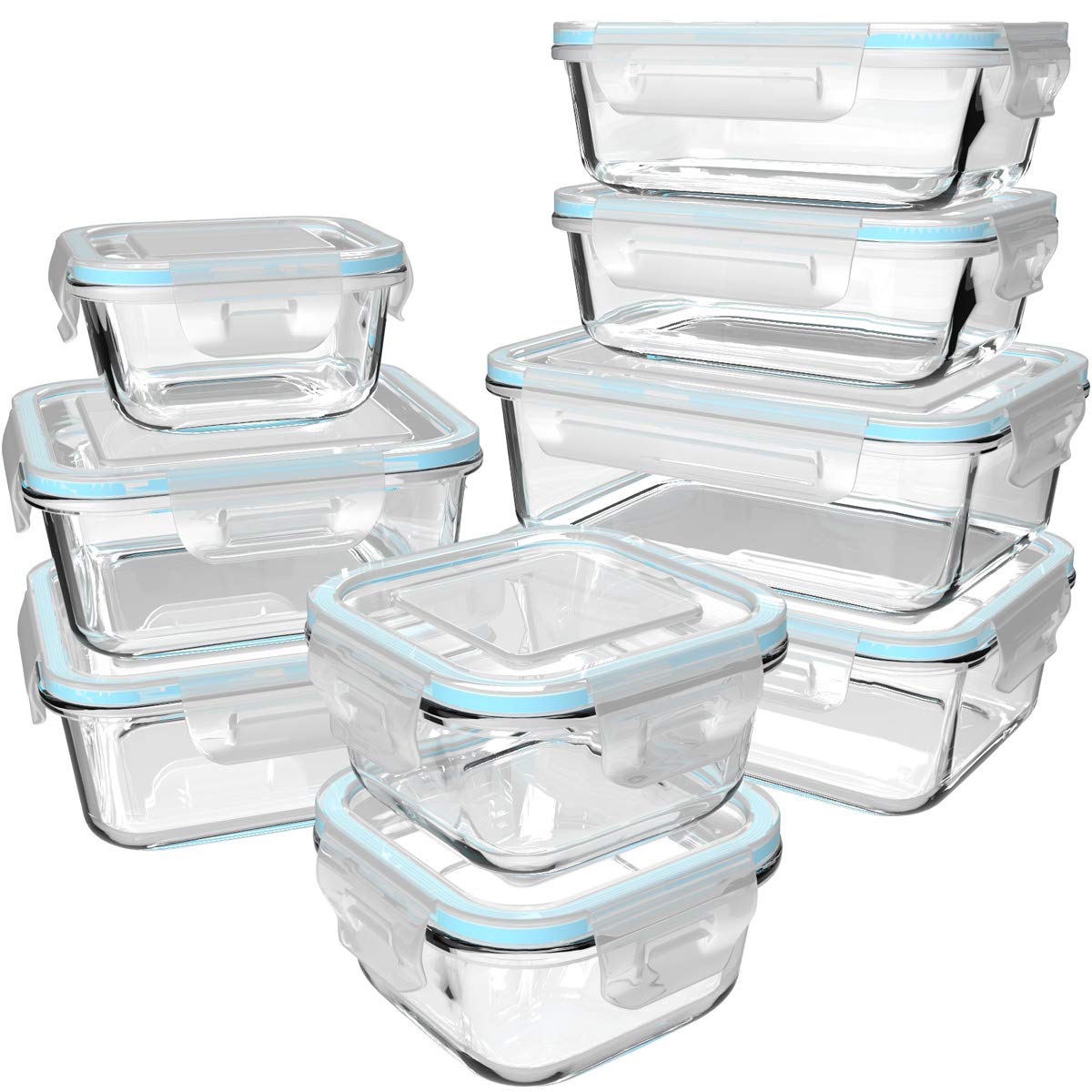
Between learning more about microplastics, cooking more at home, and realizing how fast my containers were degrading, I decided to make a clean break: I replaced all my plastic Tupperware with glass food storage containers. No half measures. No “I’ll keep a few just in case.” Everything went.
And honestly? I wish I’d done it sooner.
Why I Made the Switch
Plastic containers don’t age well. Scratches build up fast, stains never fully disappear, and once they warp, they’re basically unusable. But the bigger issue for me was what you can’t see.
Scratched plastic is more likely to shed microplastics
Heating plastic (even “microwave safe” plastic) increases chemical leaching
Old containers degrade faster than we realize
Given how much food ends up sitting in these containers—sometimes hot, sometimes acidic—it started to feel like an unnecessary risk.
Glass felt like the obvious upgrade.
What Changed Immediately
The difference was immediate and surprisingly noticeable.
Food tastes cleaner – No leftover smells or flavors transferring
No stains, ever – Tomato sauce, curry, chili—everything washes out
Easier to clean – Dishwasher-safe without worrying about warping
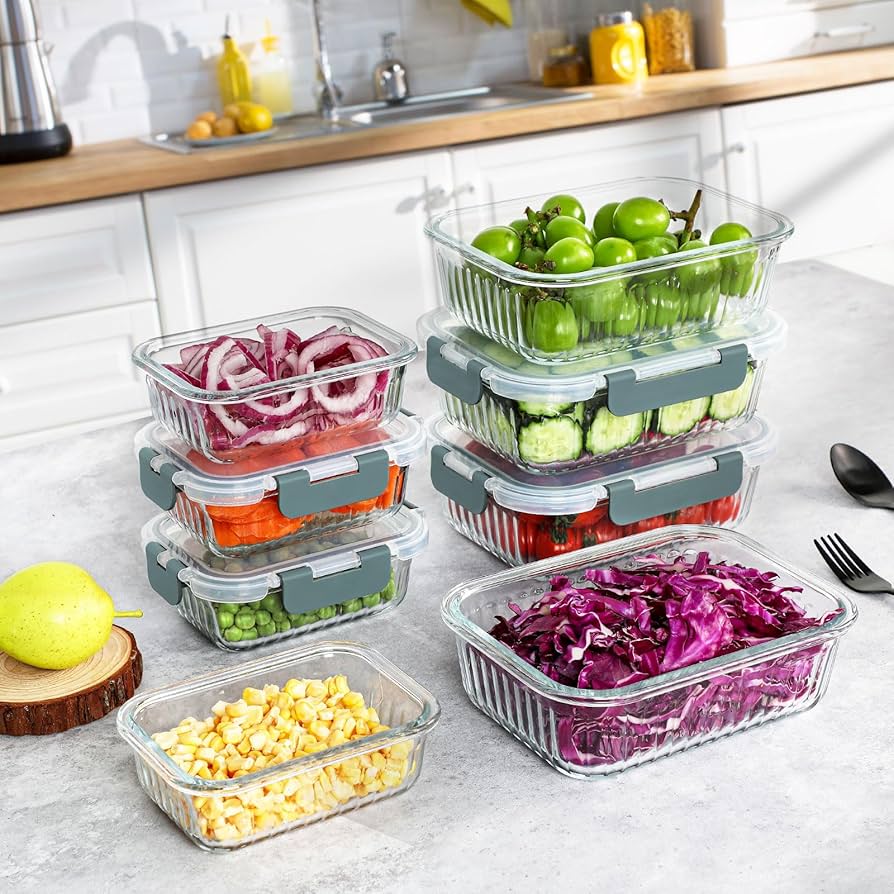
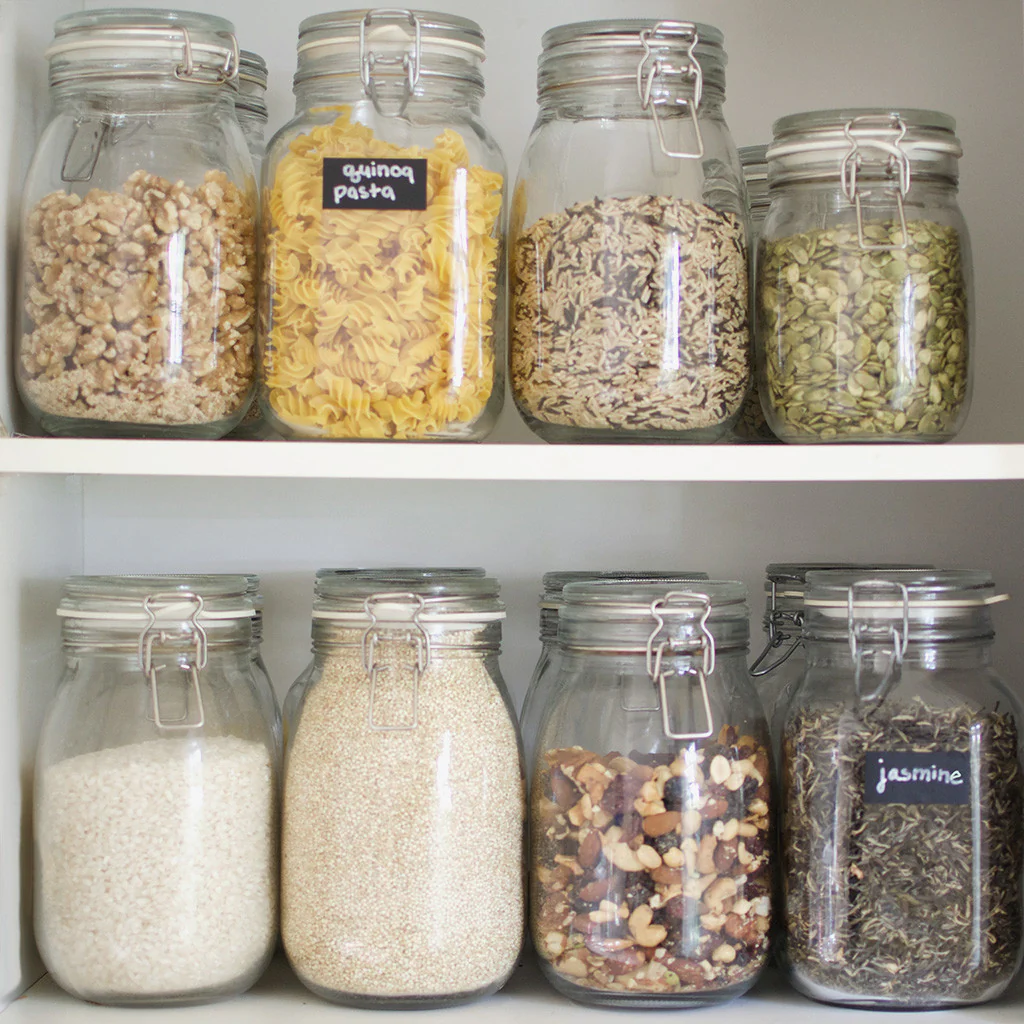
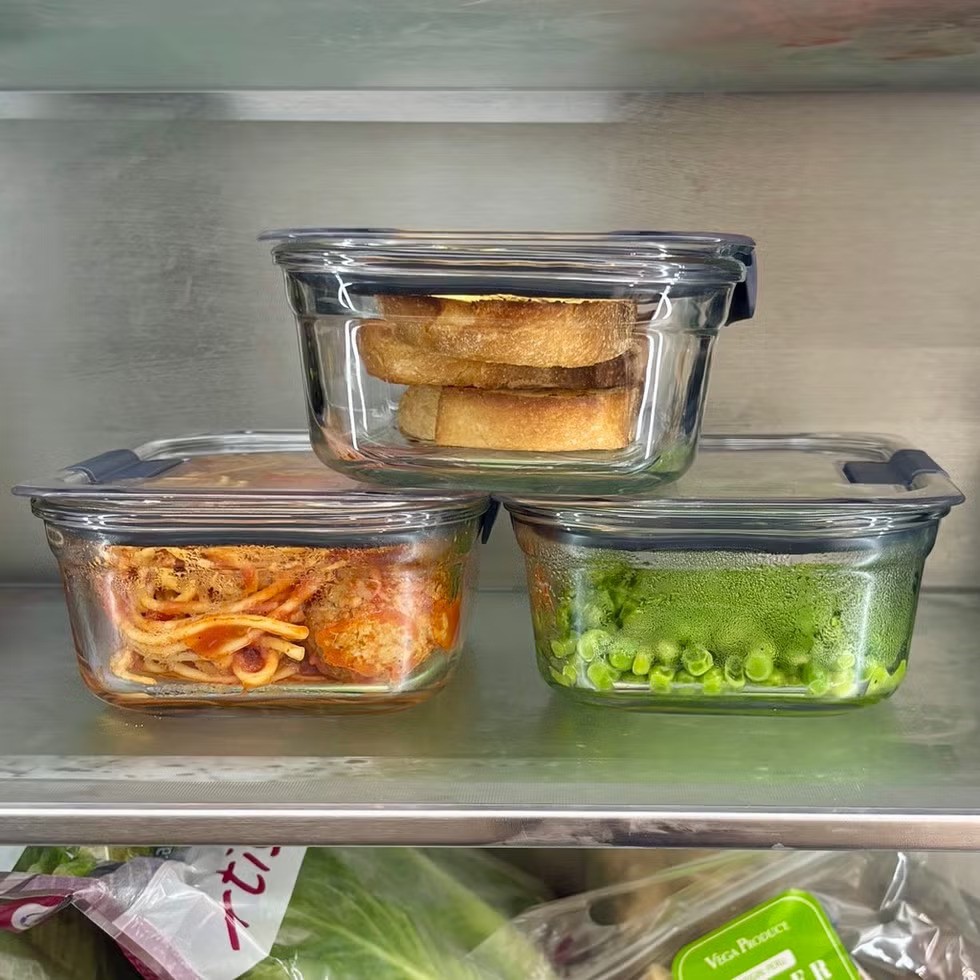
Looks better – My fridge actually feels organized now
There’s also something satisfying about seeing your food clearly instead of guessing what’s inside an opaque plastic box from last week.
The Environmental Angle (Why This Matters More Than It Seems)
Switching to glass won’t save the planet by itself—but it does reduce a constant, quiet source of plastic waste.
Plastic food containers:
Break down over time
Get thrown out frequently
Often aren’t recycled properly
Glass, on the other hand:
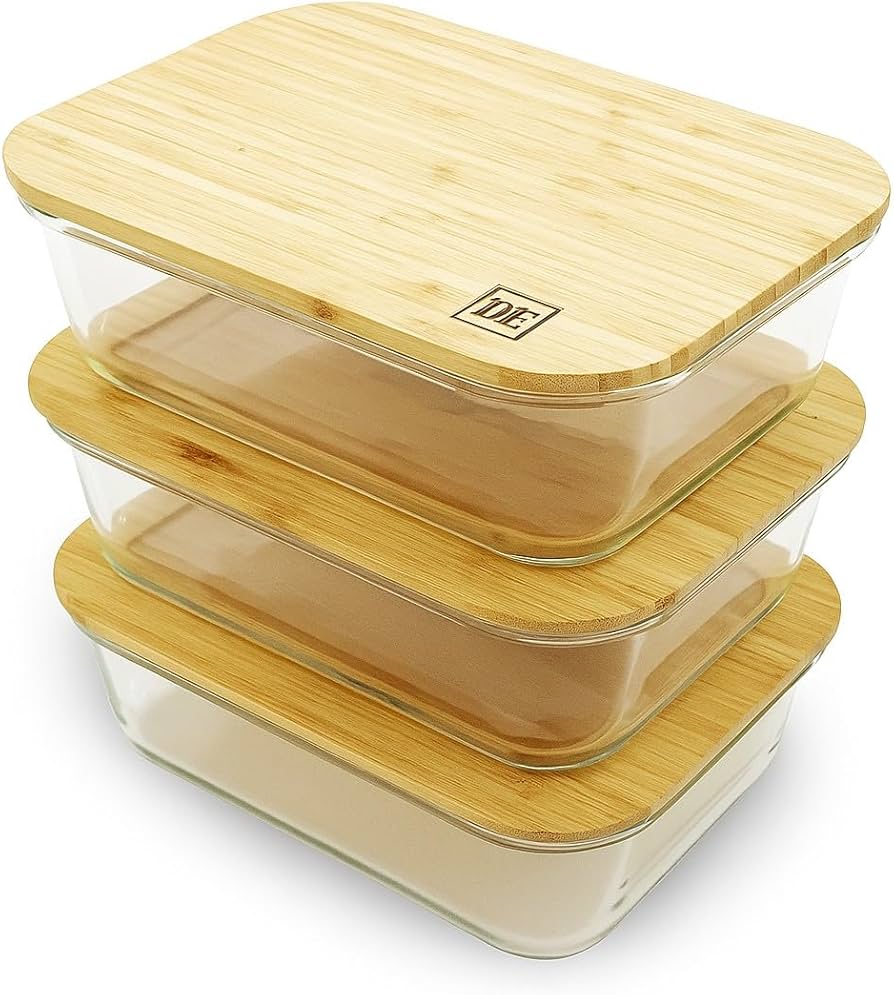
Lasts years (or decades)
Is infinitely recyclable
Doesn’t degrade with normal use
It’s one of those changes that’s small on the surface but meaningful when multiplied across years of daily use.
The Downsides (Because There Are Some)
To be fair, glass isn’t perfect.
It’s heavier
It can break if you’re careless
The upfront cost is higher
But for me, those tradeoffs were worth it. I’m buying containers once, not replacing them every year.
Final Thoughts
This wasn’t a flashy switch. No big announcement. Just a quiet upgrade to something I use every single day.
Glass containers made my kitchen feel cleaner, my food feel safer, and my habits feel more intentional. If you’re looking for a simple, practical way to cut back on plastic without overhauling your entire lifestyle—this is an easy place to start.
Sometimes sustainability isn’t about doing more.
It’s about choosing better once and sticking with it.
Check This Out Next:
How to Study Less and Still Get Better Grades
Most people don’t have a motivation problem. They have a method problem.
Processing Sugar
Dopamine Crashes, and the Planet We Pretend Isn’t on a Diet
The Hidden Gold in Your Recycling Bin
Why CRV Matters in California

A Sea of Sails: Amsterdam’s Maritime Comeback
This piece covers SAIL Amsterdam 2025, a major maritime festival that returned in August after ten years. It describes both the historical side (tall ships, Dutch seafaring heritage) and the modern side (sustainability innovations in shipping). It also weaves in reflection, showing how the event connects past and future.
Invisible Invaders
The Rising Threat of Microplastics in the Bay Area
Charting the Future of Our Seas: The 2025 UN Ocean Conference
In mid-June, the coastal city of Nice, France became the center of global ocean diplomacy. From June 9–13, 2025, more than 12,000 delegates — heads of state, scientists, activists, and industry leaders — convened for the third United Nations Ocean Conference (UNOC3)
Breathing Heat: What May 2025 Tells Us About Our Changing Climate
May 2025 was the second-warmest May ever recorded, with global temperatures averaging 1.10 °C above the 20th-century norm. It feels like every month a new record is broken for how severe our climate change is getting.

Flying Through Solar Storms: Planes, Radiation & Our Environment
When you board a high-altitude flight, your mind might wander to legroom, turbulence, or the view — but rarely to cosmic rays.
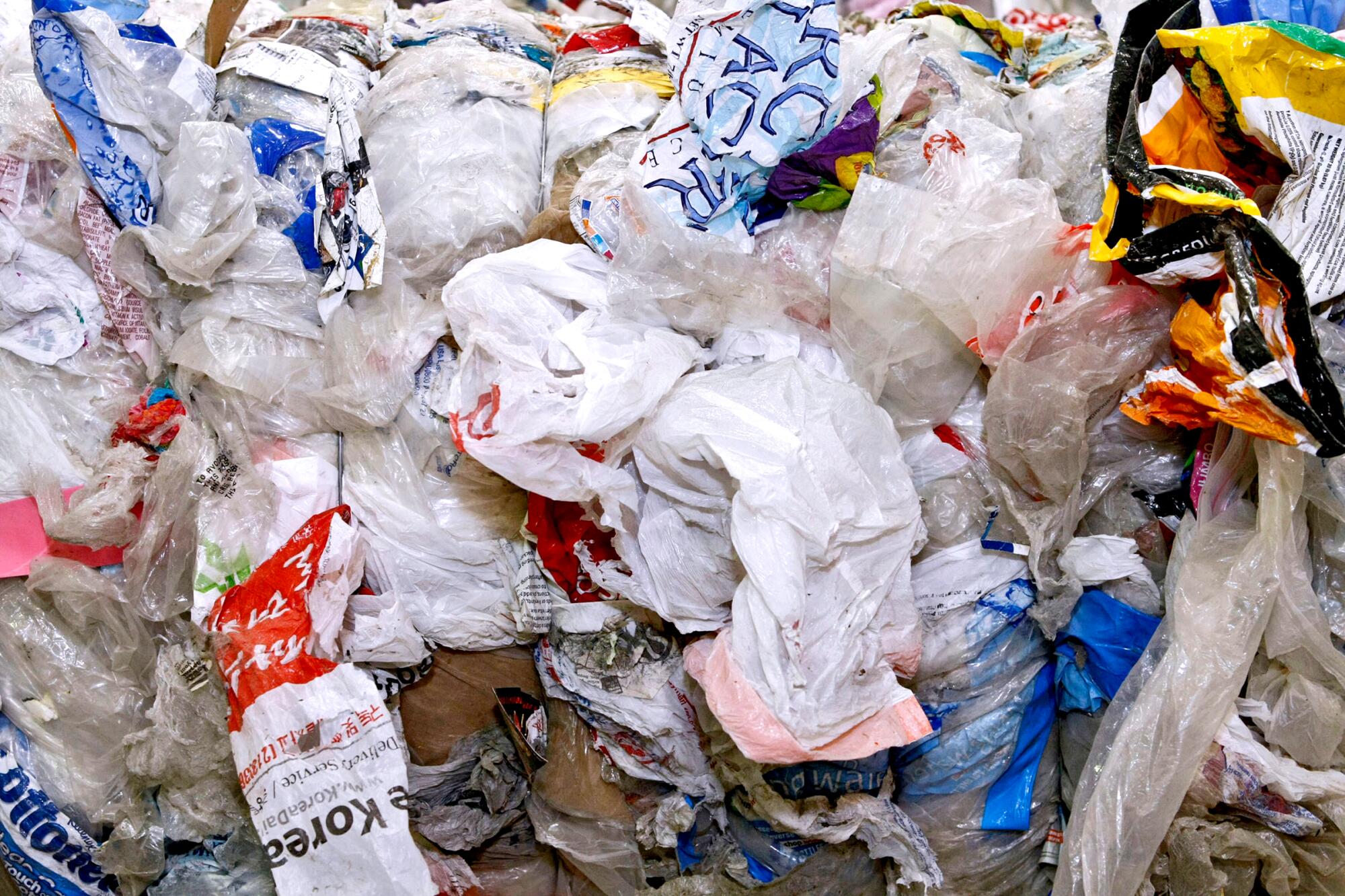
The Myth of Recycling
Toss the bottle in the blue bin, pat yourself on the back, and boom—you’re saving the planet... right?
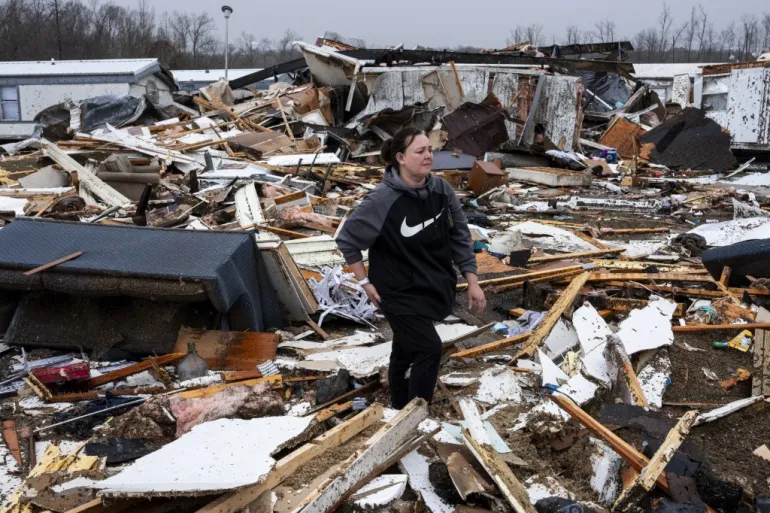
The Storm That Shook America: The March 13-16, 2025 Tornado Outbreak
Between March 13 and March 16, 2025, a historic tornado outbreak swept across large parts of the United States — especially the Midwest and the South.

The Shift Ahead
How Manual Transmissions Work—And What They Mean for the Future of Driving
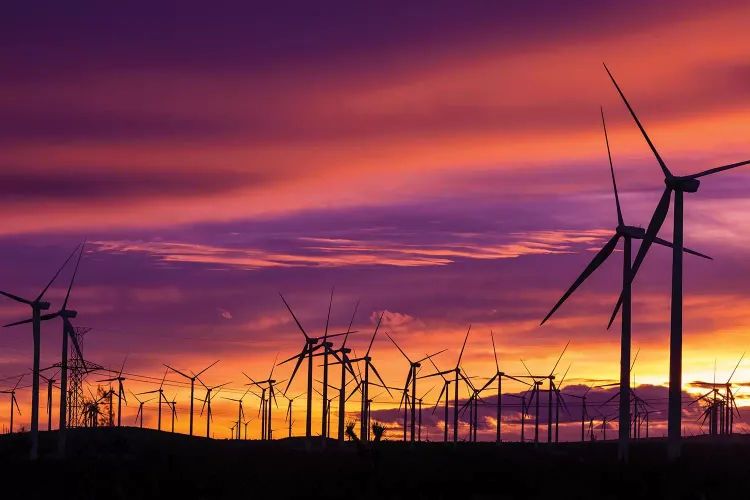
The Winds of Change
Are Windmills as Clean as They Seem?

Hunters of Silence: How Conservation Laws Built by Blood Changed the Fate of the Wild
How humanity’s deadliest hunt—its own greed—gave birth to protection
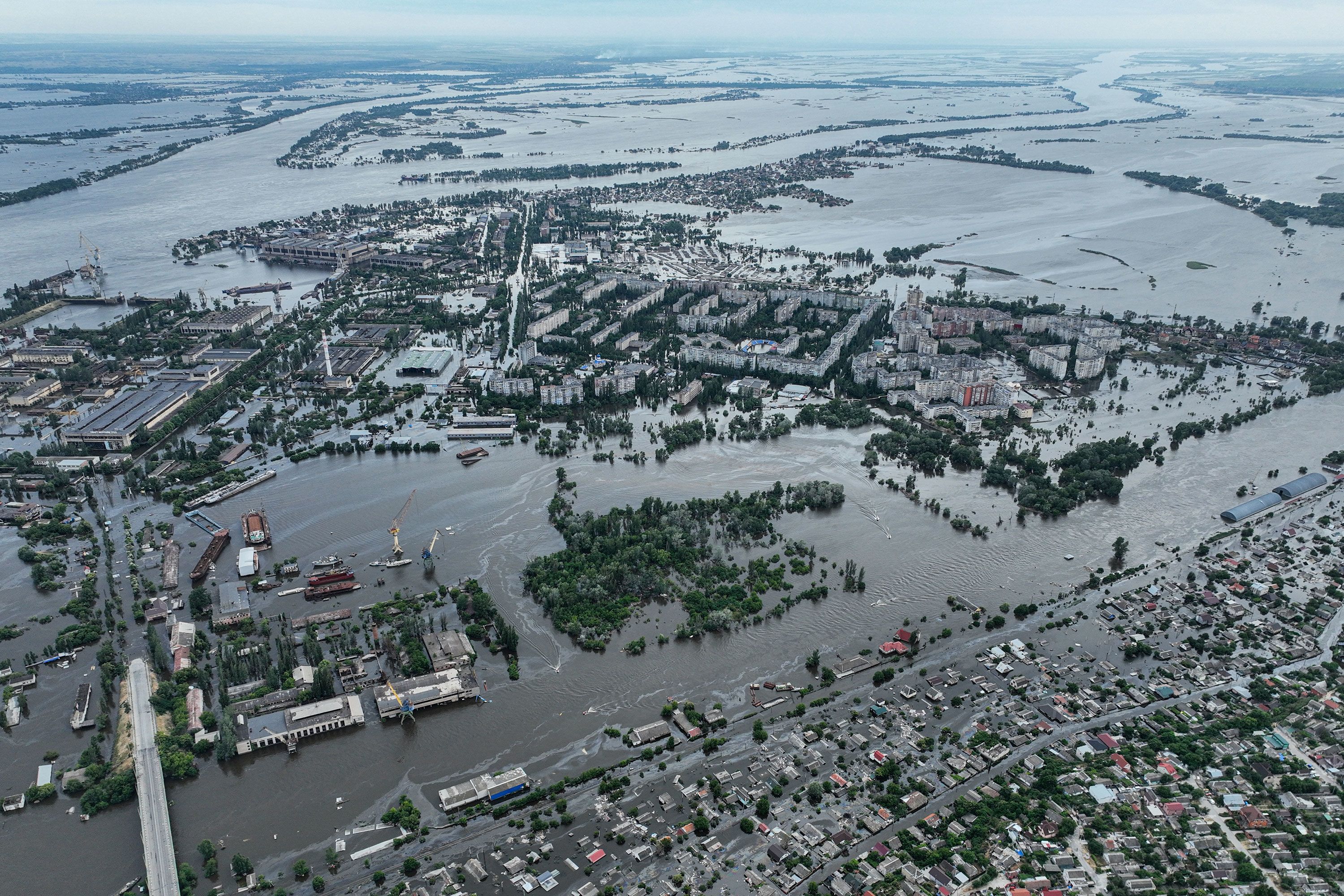
Engineering, Neglect & Consequences: Donora 1948 Meets Kakhovka 2023
The same moral failure: when we treat the environment as expendable collateral, it always collects the debt—with interest.
What The Hell Is Punt??
For starters, it has nothing to do with football
Picking Up Neighborhood Trash
PUNT

Black-Zach
Simulating Chance and Choice: What started as a simple coding challenge became a project about risk, math, and the illusion of control.