Breathing Heat: What May 2025 Tells Us About Our Changing Climate
May 2025 was the second-warmest May ever recorded, with global temperatures averaging 1.10 °C above the 20th-century norm. It feels like every month a new record is broken for how severe our climate change is getting.
Author
Zachary Quintana
Date Published
3 months
May 2025
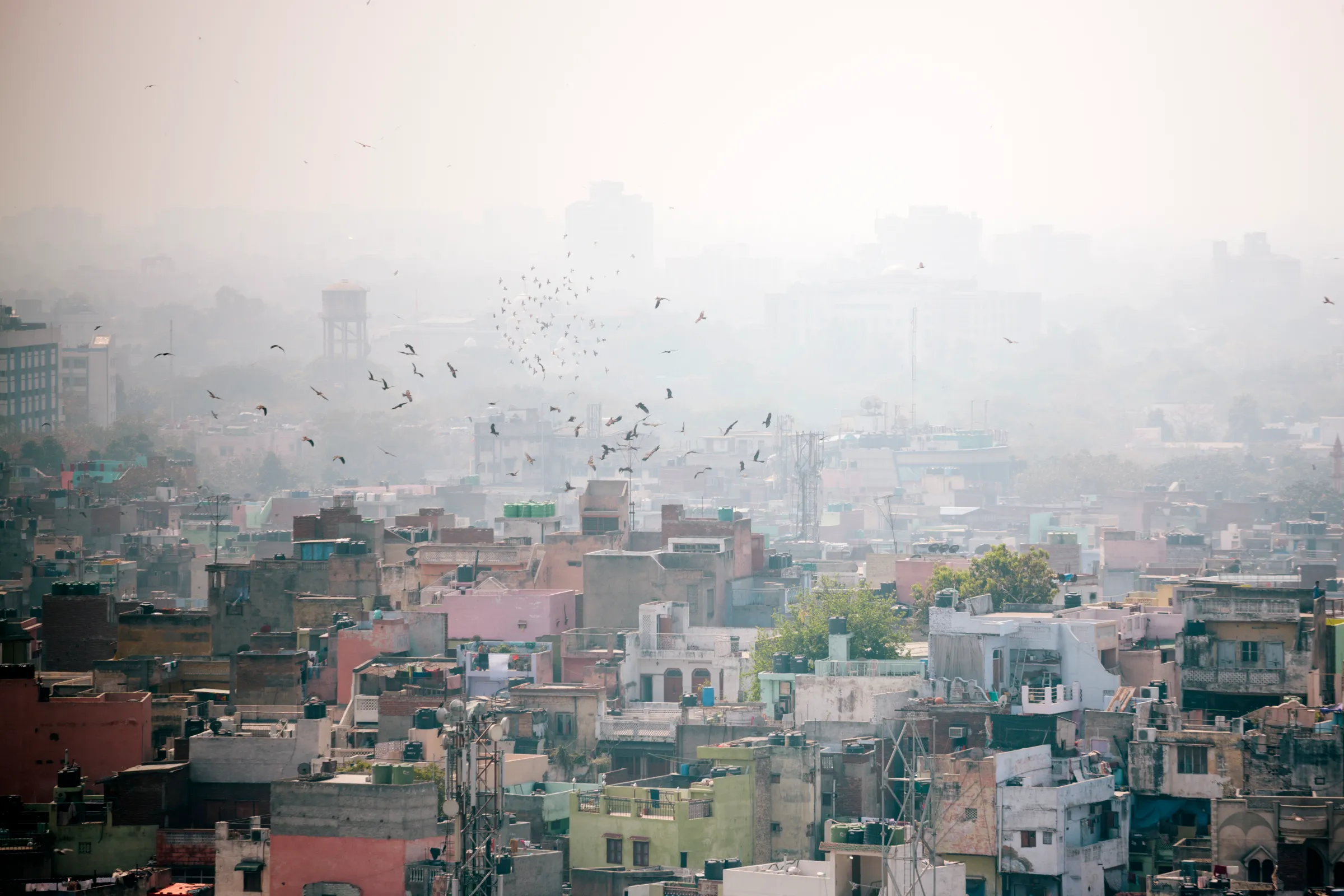
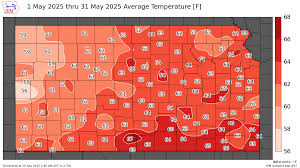
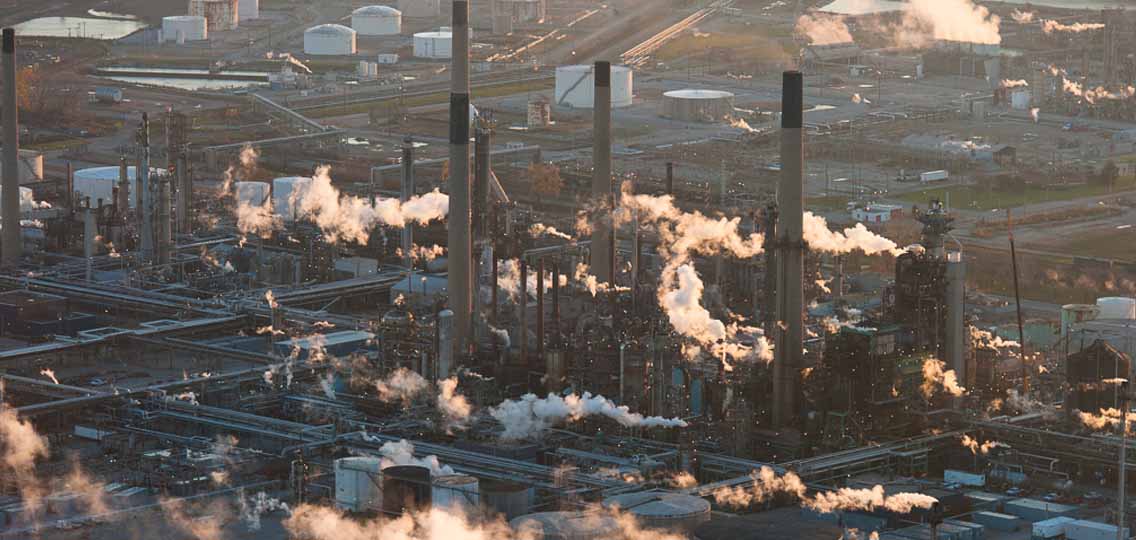
Was a month of records and warnings. Data released by NOAA confirmed it as the second-warmest May on record, with global temperatures averaging 1.10 °C above the 20th-century baseline. For many communities, this wasn’t just a number on a chart — it was a lived experience of blistering heatwaves, stressed crops, and worsening air quality.
Alongside the record temperatures came a sobering scientific reminder. A new study from MIT revealed that climate change could make it harder to reduce ground-level ozone, the key ingredient in smog. Even if we cut emissions, warming itself accelerates the chemical processes that create ozone, meaning our cities could face dirtier, more dangerous air as the planet heats. The intersection of these findings is clear: rising temperatures and rising pollution form a feedback loop that puts both ecosystems and human health at risk.
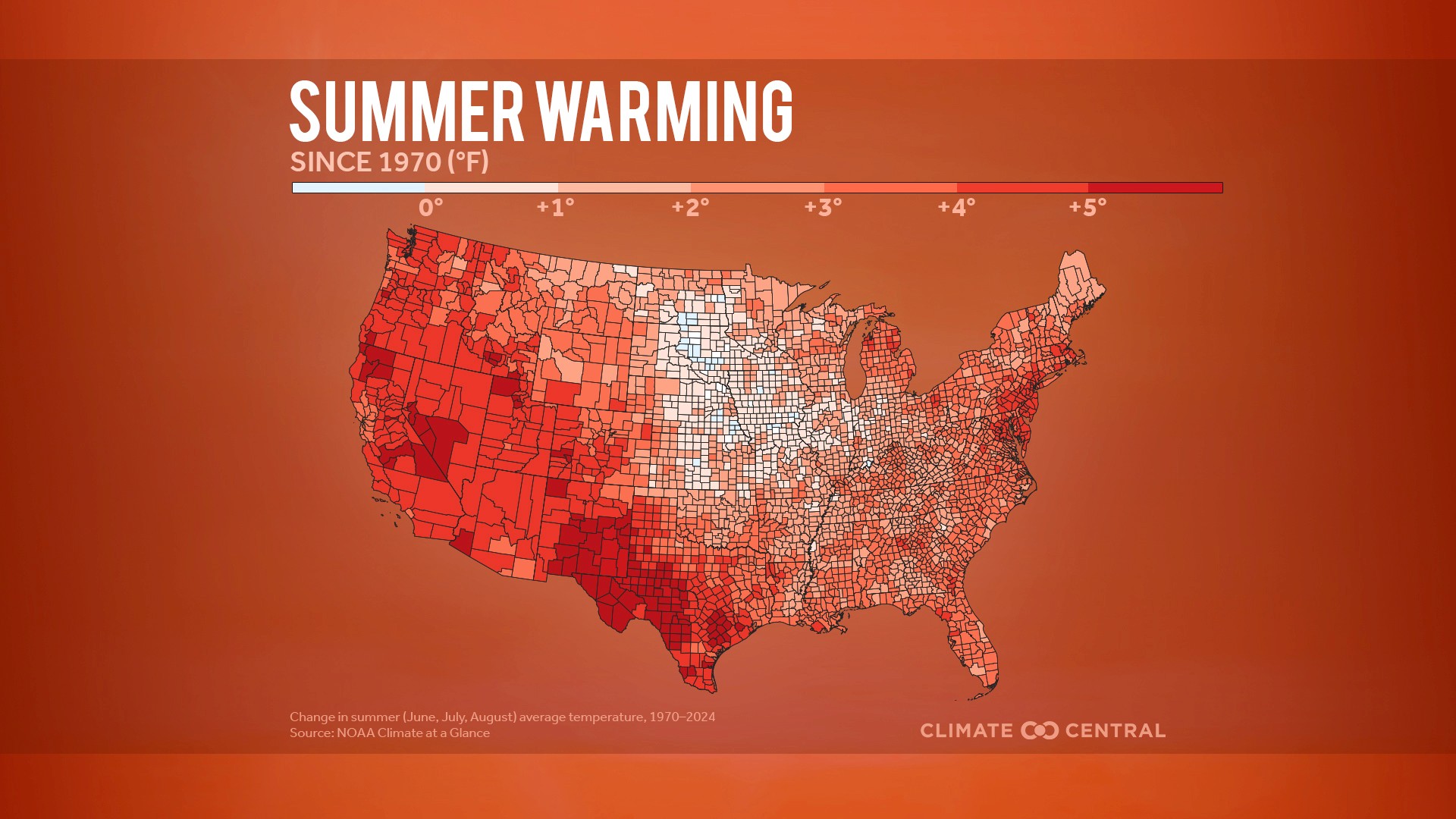
For me, this isn’t an abstract global problem
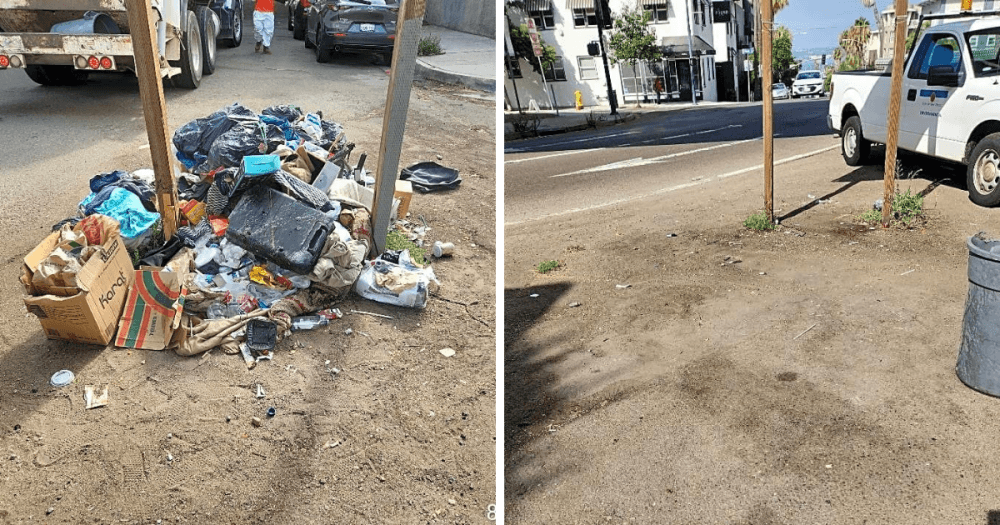
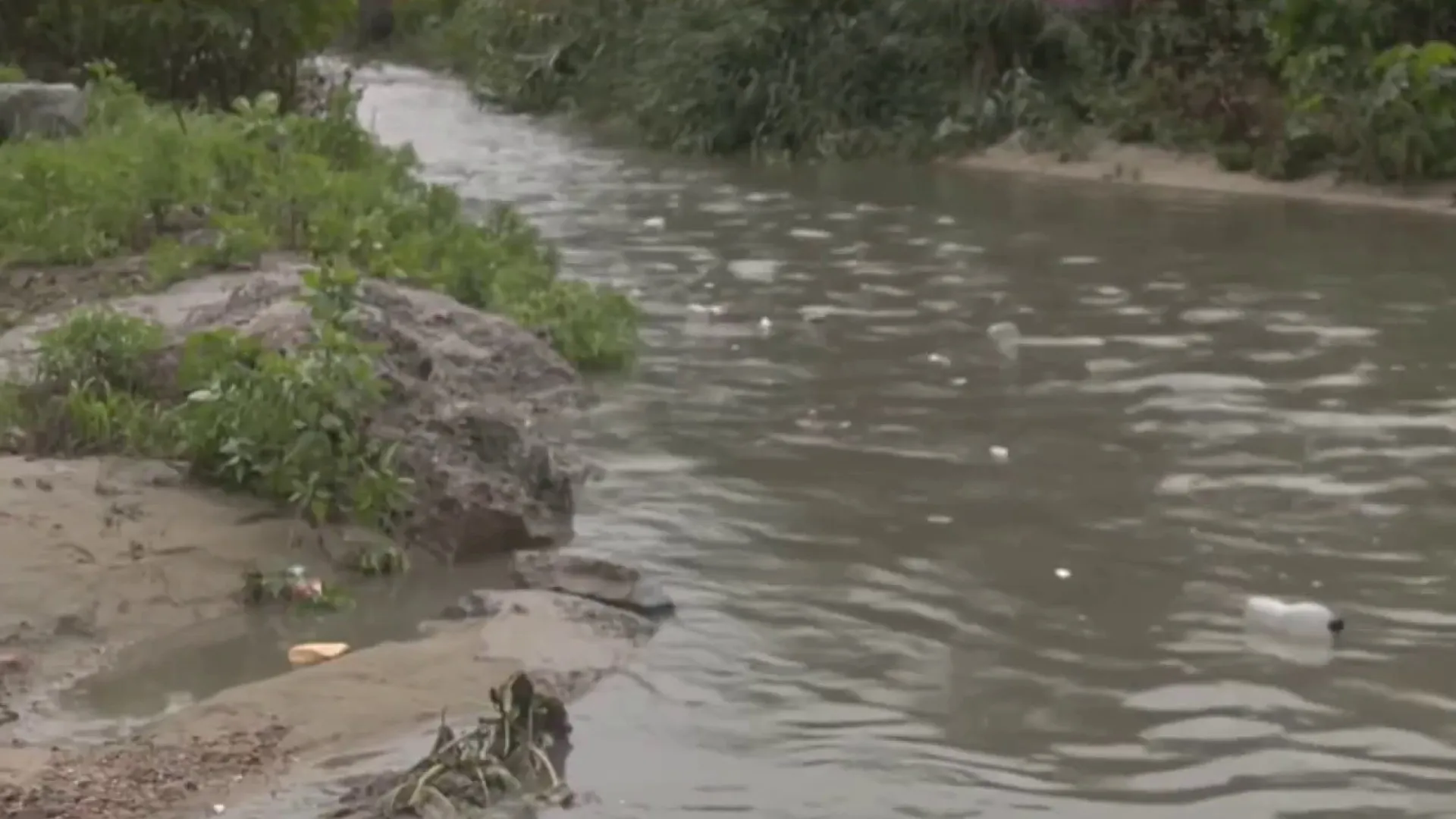
It connects directly to the local work I’ve been doing through PUNT (Picking Up Neighborhood Trash). Every time my team and I haul plastics and wrappers out of creeks or parks, we see how pollution doesn’t just sit in landfills. It breaks down into smaller particles, it leaches into water, and it becomes part of the very air we breathe. Climate change magnifies this cycle: hotter days mean more smog, more stress on ecosystems, and more urgent reasons to rethink how we design products and manage waste.
The lesson of May 2025 is that climate change doesn’t exist in isolation.
It’s entangled with pollution, policy, and everyday choices. Tackling one without the other won’t be enough. Whether it’s through global agreements or small community projects like PUNT, the challenge — and the opportunity — is to connect the dots. A warmer May is a warning, but it can also be a rallying cry: the future of the air we breathe is written in the actions we take today.
Check This Out Next:
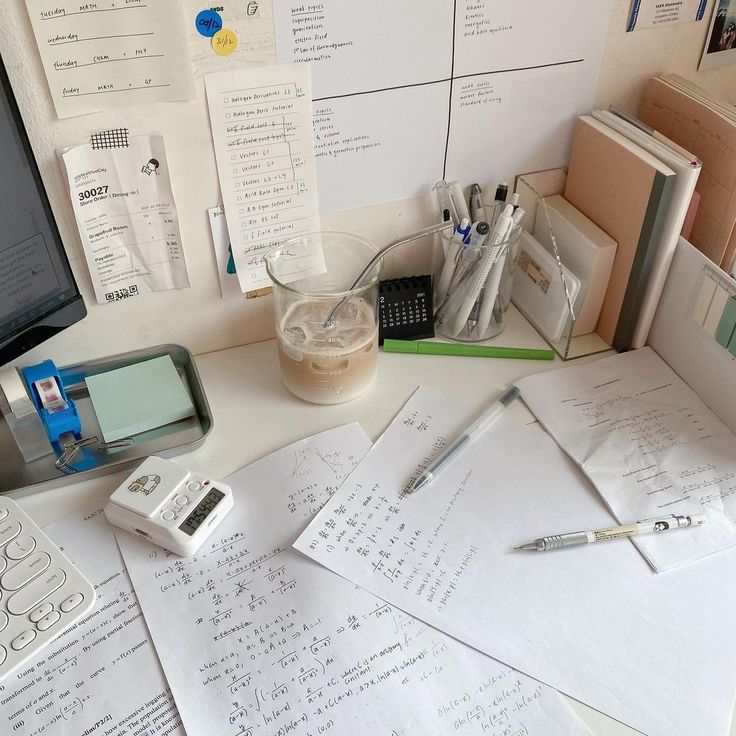
How to Study Less and Still Get Better Grades
Most people don’t have a motivation problem. They have a method problem.

I Finally Ditched Plastic Tupperware
Here’s Why I Switched to Glass
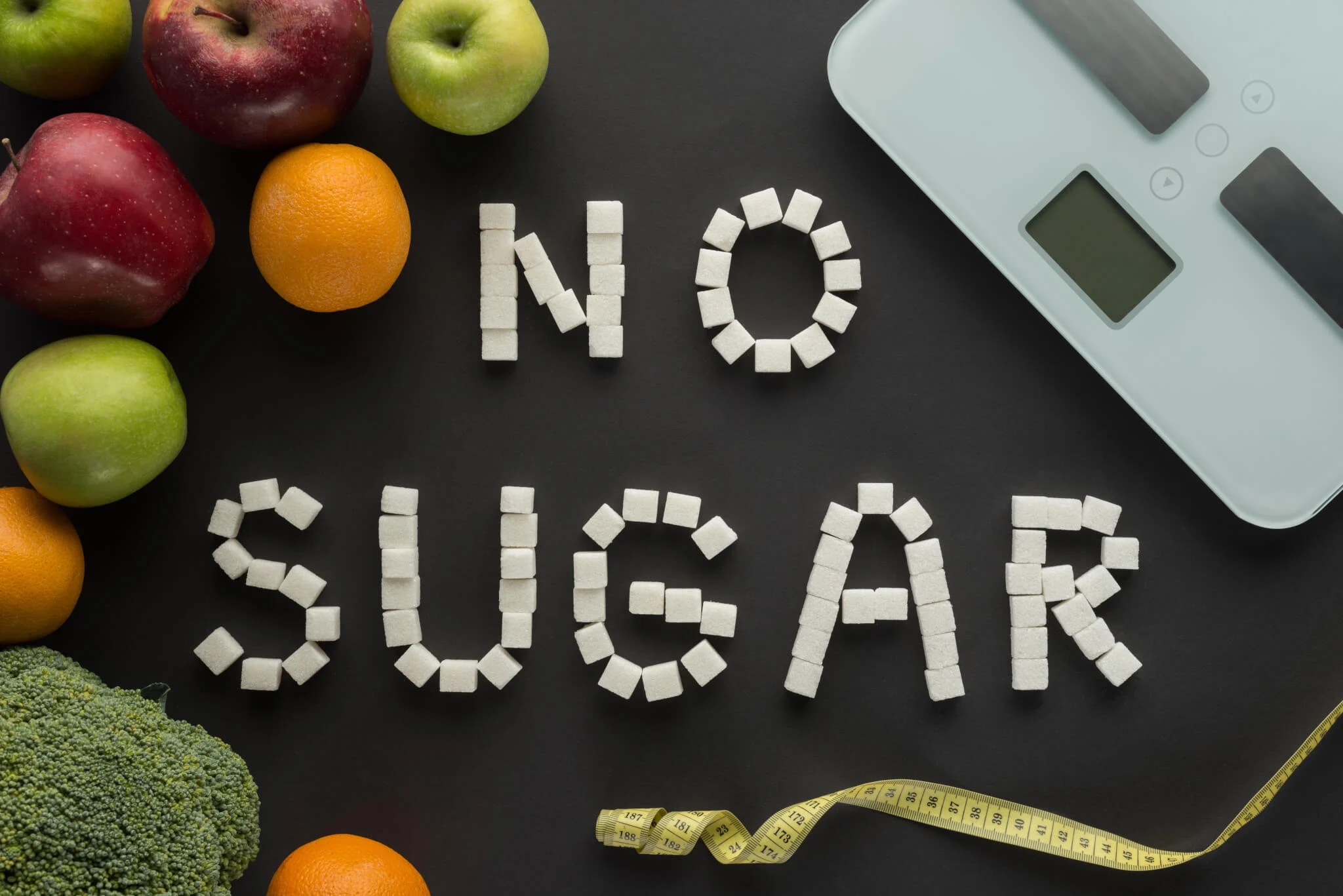
Processing Sugar
Dopamine Crashes, and the Planet We Pretend Isn’t on a Diet
The Hidden Gold in Your Recycling Bin
Why CRV Matters in California
A Sea of Sails: Amsterdam’s Maritime Comeback
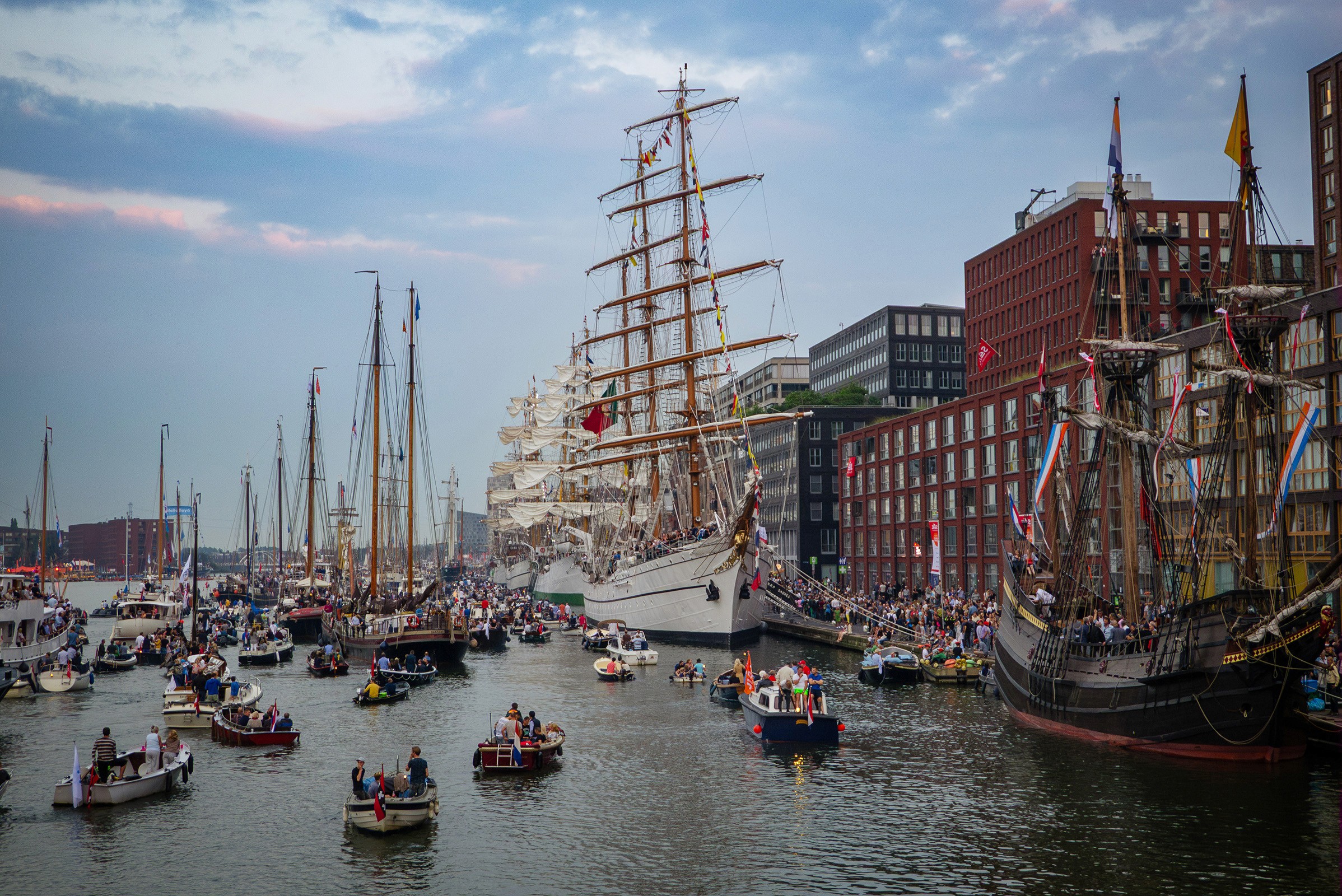
This piece covers SAIL Amsterdam 2025, a major maritime festival that returned in August after ten years. It describes both the historical side (tall ships, Dutch seafaring heritage) and the modern side (sustainability innovations in shipping). It also weaves in reflection, showing how the event connects past and future.
Invisible Invaders
The Rising Threat of Microplastics in the Bay Area
Charting the Future of Our Seas: The 2025 UN Ocean Conference
In mid-June, the coastal city of Nice, France became the center of global ocean diplomacy. From June 9–13, 2025, more than 12,000 delegates — heads of state, scientists, activists, and industry leaders — convened for the third United Nations Ocean Conference (UNOC3)
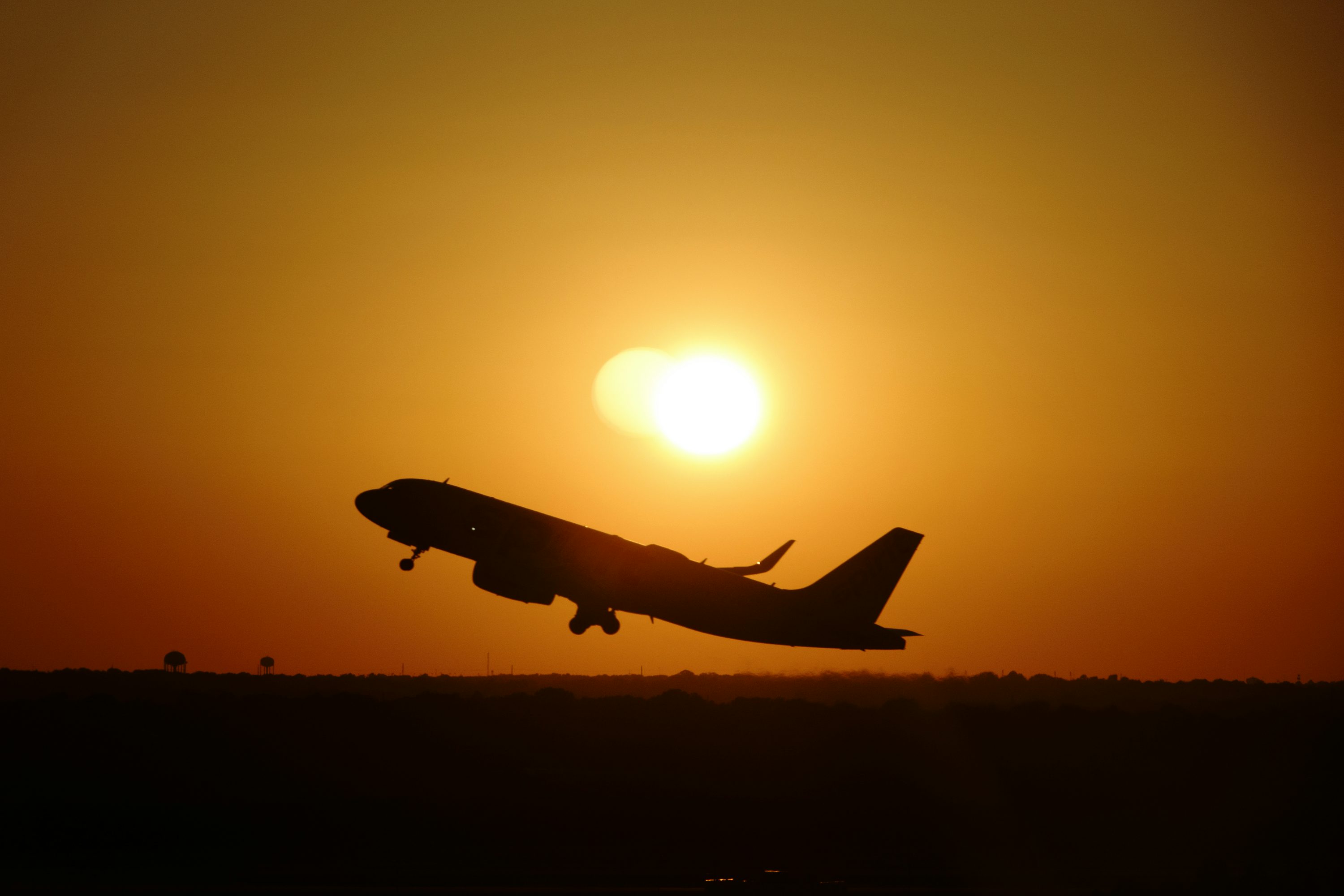
Flying Through Solar Storms: Planes, Radiation & Our Environment
When you board a high-altitude flight, your mind might wander to legroom, turbulence, or the view — but rarely to cosmic rays.
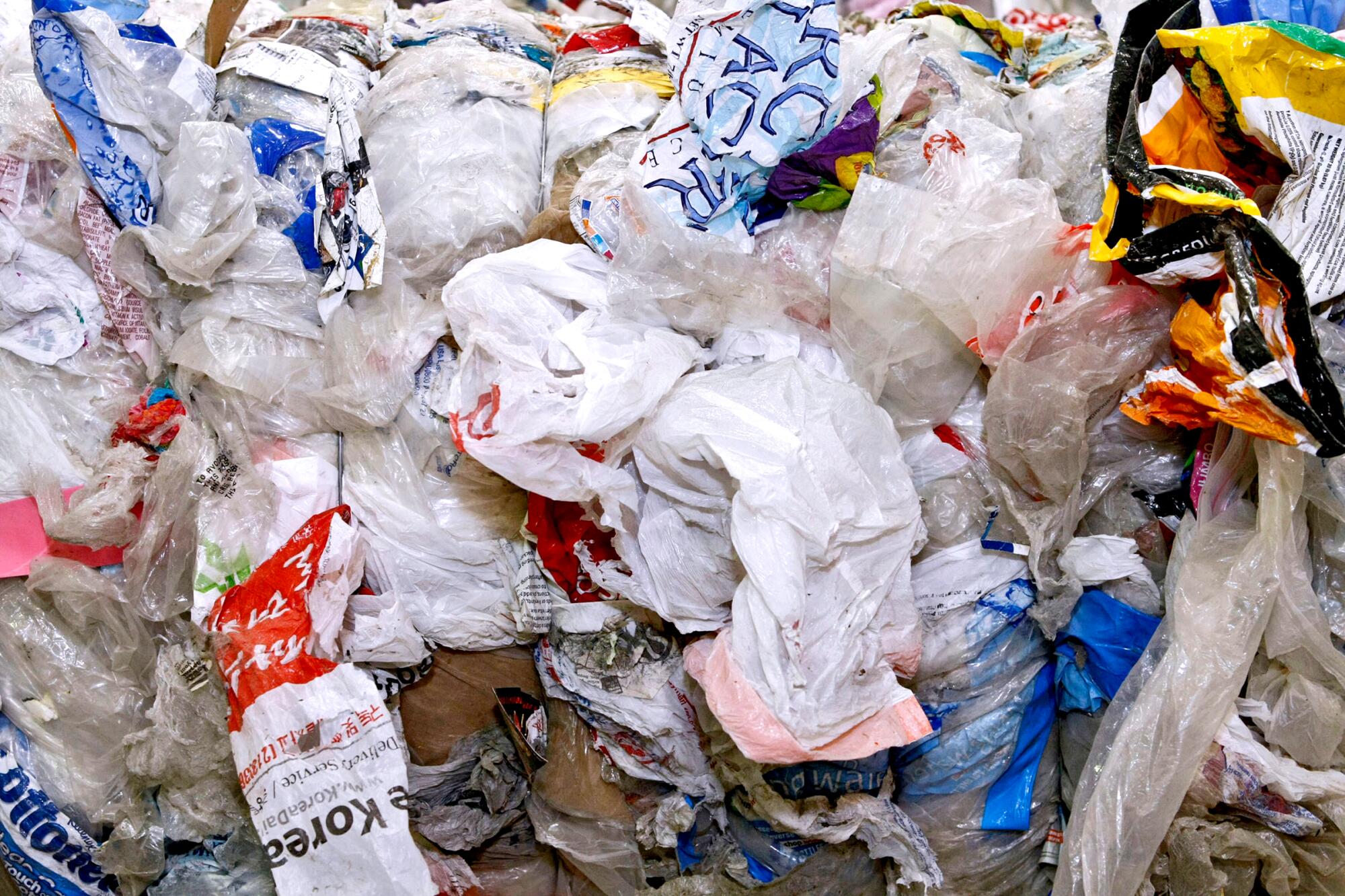
The Myth of Recycling
Toss the bottle in the blue bin, pat yourself on the back, and boom—you’re saving the planet... right?
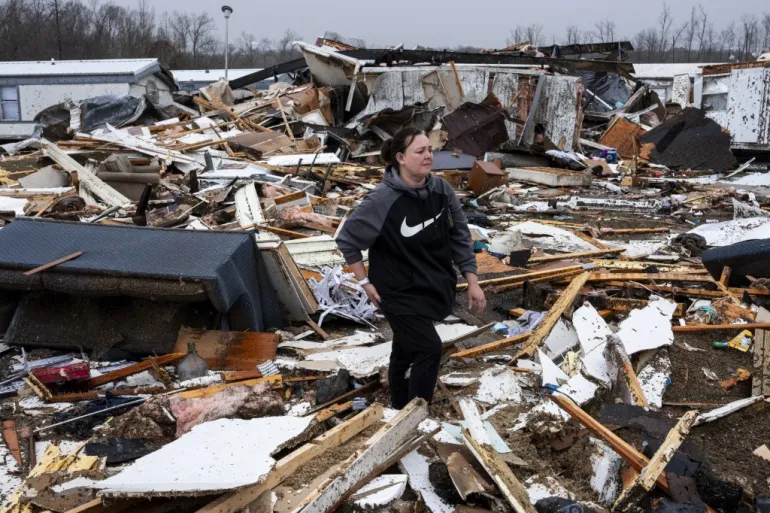
The Storm That Shook America: The March 13-16, 2025 Tornado Outbreak
Between March 13 and March 16, 2025, a historic tornado outbreak swept across large parts of the United States — especially the Midwest and the South.
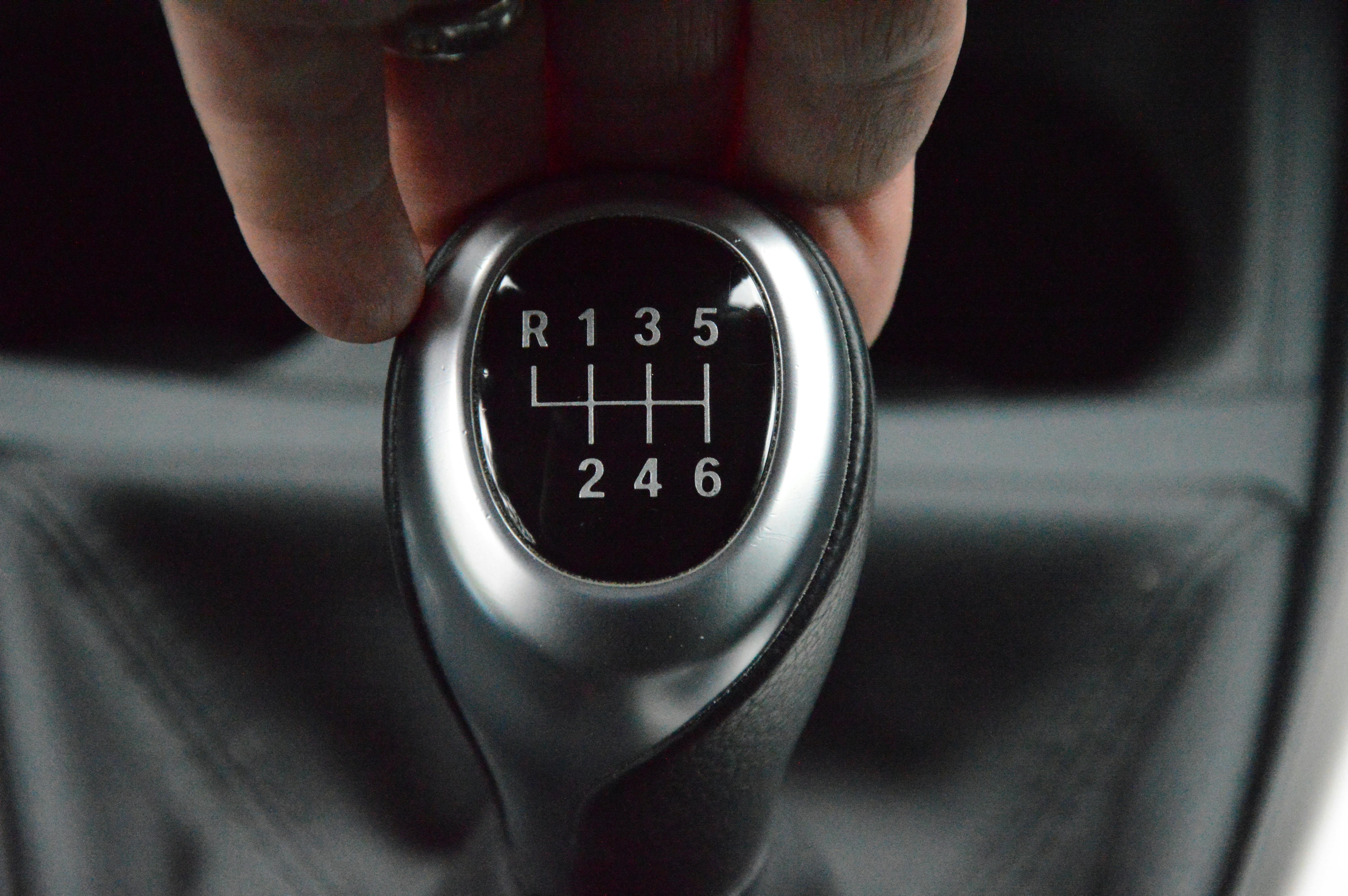
The Shift Ahead
How Manual Transmissions Work—And What They Mean for the Future of Driving
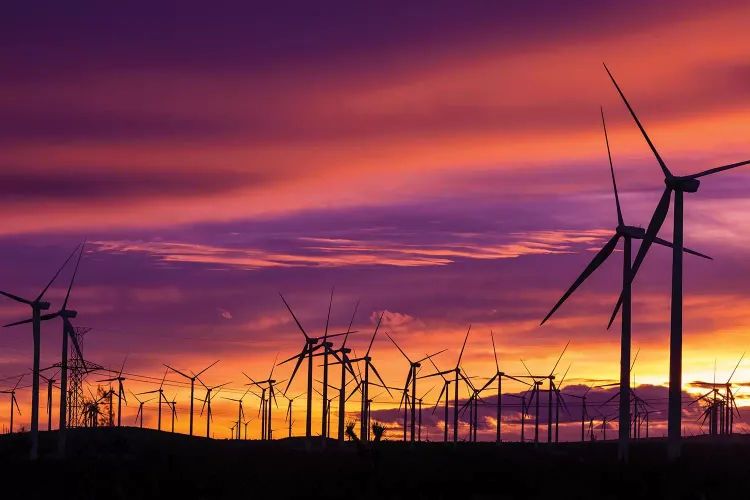
The Winds of Change
Are Windmills as Clean as They Seem?
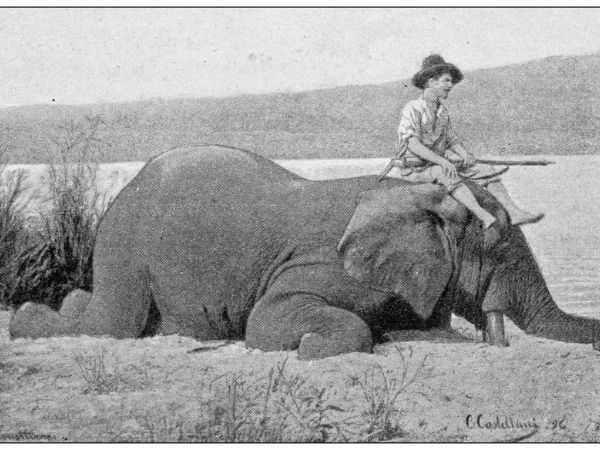
Hunters of Silence: How Conservation Laws Built by Blood Changed the Fate of the Wild
How humanity’s deadliest hunt—its own greed—gave birth to protection
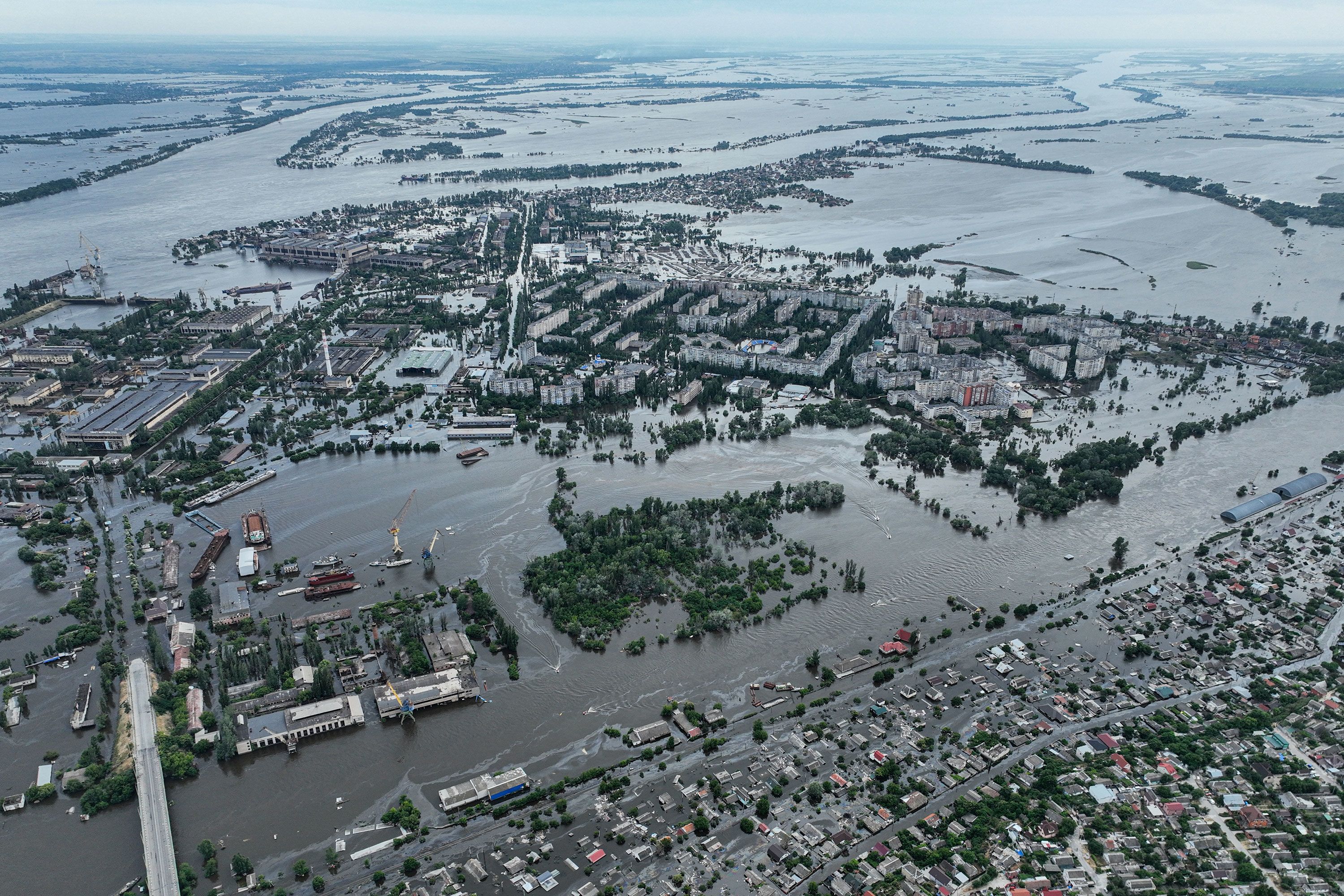
Engineering, Neglect & Consequences: Donora 1948 Meets Kakhovka 2023
The same moral failure: when we treat the environment as expendable collateral, it always collects the debt—with interest.
What The Hell Is Punt??
For starters, it has nothing to do with football
Picking Up Neighborhood Trash
PUNT

Black-Zach
Simulating Chance and Choice: What started as a simple coding challenge became a project about risk, math, and the illusion of control.