Hunters of Silence: How Conservation Laws Built by Blood Changed the Fate of the Wild
How humanity’s deadliest hunt—its own greed—gave birth to protection
Author
Zachary Quintana
Date Published
3 months
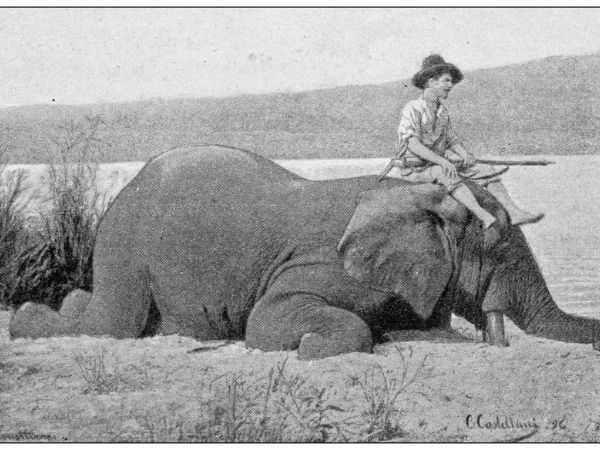
The thick dawn-mist clung to the acacia trees. A lone man crept through the bush, rifle at his shoulder. In the distance a bull elephant emerged, ivory tusks glinting in the early light. The hunter paused. He’d tracked dozens of miles to this moment. A crack—then the elephant collapsed, dust swirling around its massive limbs. The tusks would fetch a fortune. And the forest would fall a little quieter.
That was the beginning of our era of terror in the wild.
Blood in the Bush
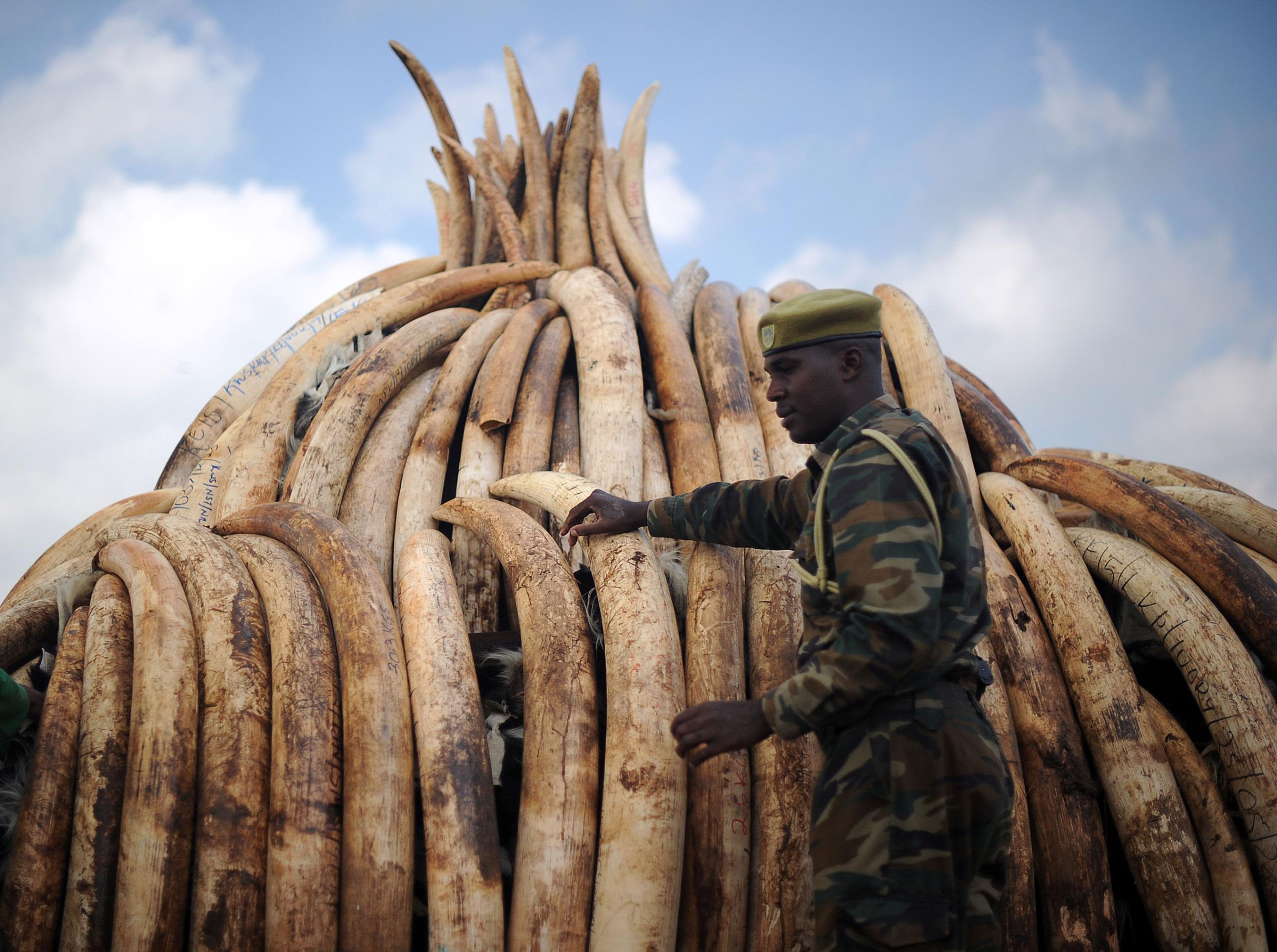
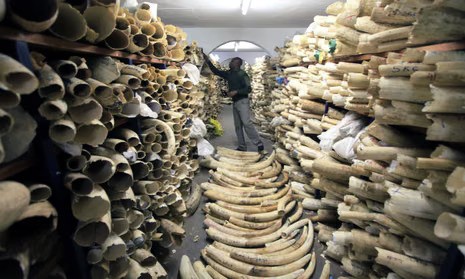
From roughly the late 1800s through the mid-20th century, the ivory trade exploded. The demand for ivory carved piano keys, religious icons, ornamental handles—whatever status demanded. The consequences were brutal: by the 1970s and 1980s, the continent had lost half its elephants in just a decade. Poachers weren’t mythical monsters—they were humans acting in a brutal market logic. They tracked silence, harvested life, exported death.
The Spellbooks of Law
Into the carnage walked the first real spells: legal frameworks to protect the wild.
In the 1900s the Lacey Act (1900) in the U.S. began banning trade in illegally captured wildlife.
Then the CITES (1973) cast global trade bans, listing species under Appendices so trade couldn’t proceed unchecked.
In the U.S., the Endangered Species Act (ESA) gave the power to protect species from extinction through law.
These legal spells were flawed—uneven enforcement, loopholes, corruption—but they shifted the axis. The wild had guardians now.
The Exotic, the Revered, the Vanishing
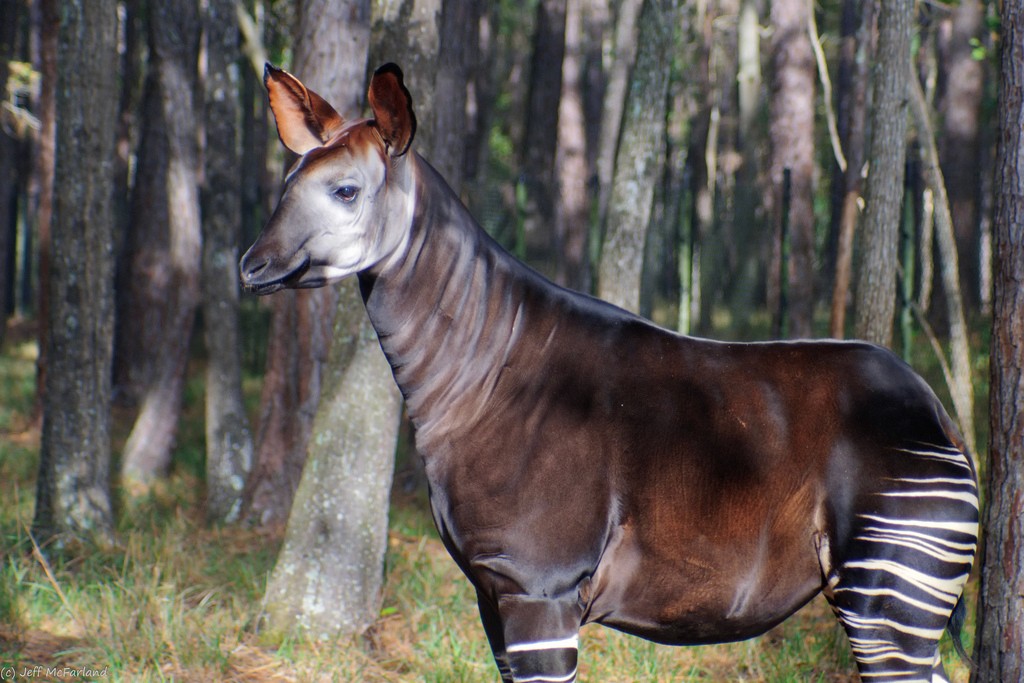
Take the Okapi: part giraffe, part zebra-striped mystic of the Congo rainforest. Until the late 20th century many people thought it a myth. Protected by law since 1933 in Zaire, yet it remains endangered by habitat loss and trafficking.
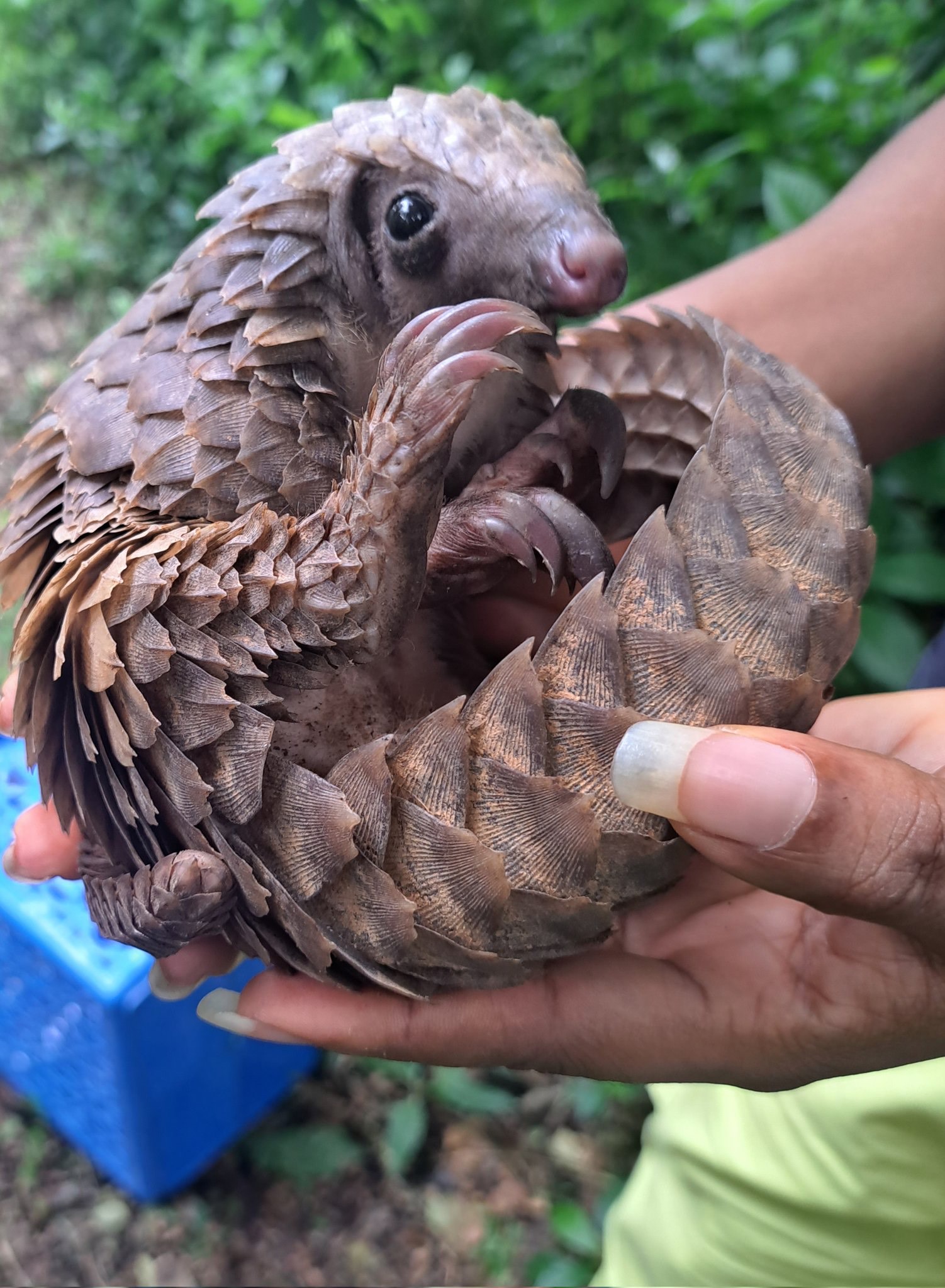
Then there’s the Pangolin—the world’s most trafficked mammal. Scales, meat, superstition: the trade is vast, the protections weak for decades. New moves toward ESA-level protection only recently emerged.
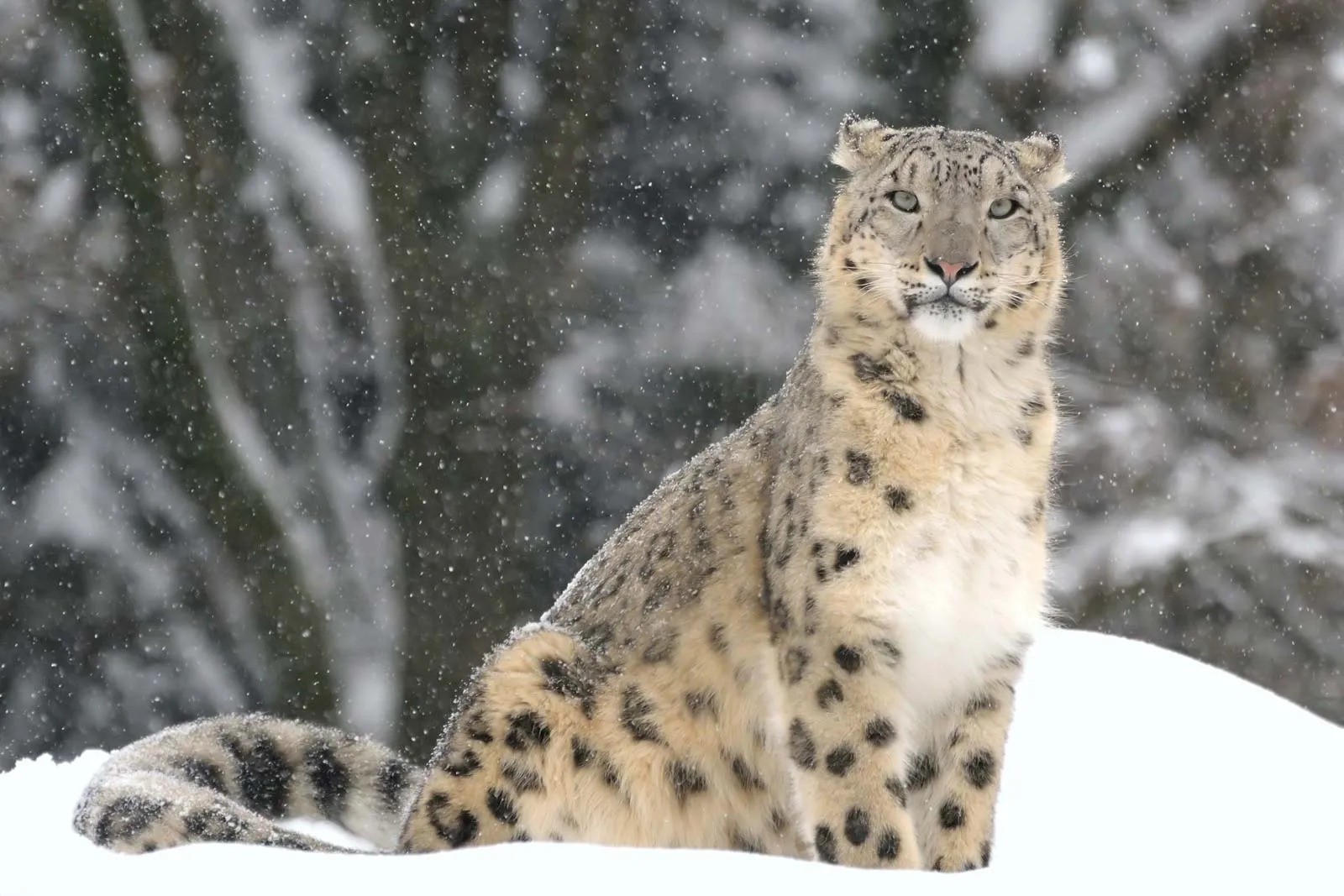
And the Snow Leopard: the ghost of the mountains, silently slipping through remote peaks. Conservation frameworks exist—but the human footprint is closing in.
These species live in the twilight: celebrated, iconic—but still hunted by threats legal, illegal, subtle and overt.
Law as Witchcraft, Imperfect but World-Altering
When the ivory trade peaked, the wild was bleeding. The “spell” of CITES listing elephants under Appendix I in 1990 was a turning point. But spells aren’t perfect. Trade exceptions, weak enforcement, corruption—all diluted the incantation. Even now, wildlife trafficking is massive.
Still: legal frameworks gave us tools. They turned hunters into investigators, traffickers into criminals, species from commodities into protected legacies.
The Final Prey – Humanity
And here’s the cruel truth: the greatest predator might be us.
We shaped the markets, the laws, the technologies—but we also burned the forests, hoarded the ivory, ignored the scales, encroached on the peaks.
The wild doesn’t just vanish from lack of law—it vanishes from lack of respect, from lack of human integrity. The hunter becomes the hunted: by accountability, by shame, by consequence.
If the wild is a story of survival, then we are the authors. We decide whether it ends in silence—or in a roar of revival.
May the forests remember our footsteps.
May the mountains echo with living leopards again.
May the scales and tusks be relics of guilt, not of triumph.
Because in the end, we are both the destroyer and the guardian.
—Zach
Check This Out Next:

How to Study Less and Still Get Better Grades
Most people don’t have a motivation problem. They have a method problem.

I Finally Ditched Plastic Tupperware
Here’s Why I Switched to Glass

Processing Sugar
Dopamine Crashes, and the Planet We Pretend Isn’t on a Diet
The Hidden Gold in Your Recycling Bin
Why CRV Matters in California
A Sea of Sails: Amsterdam’s Maritime Comeback
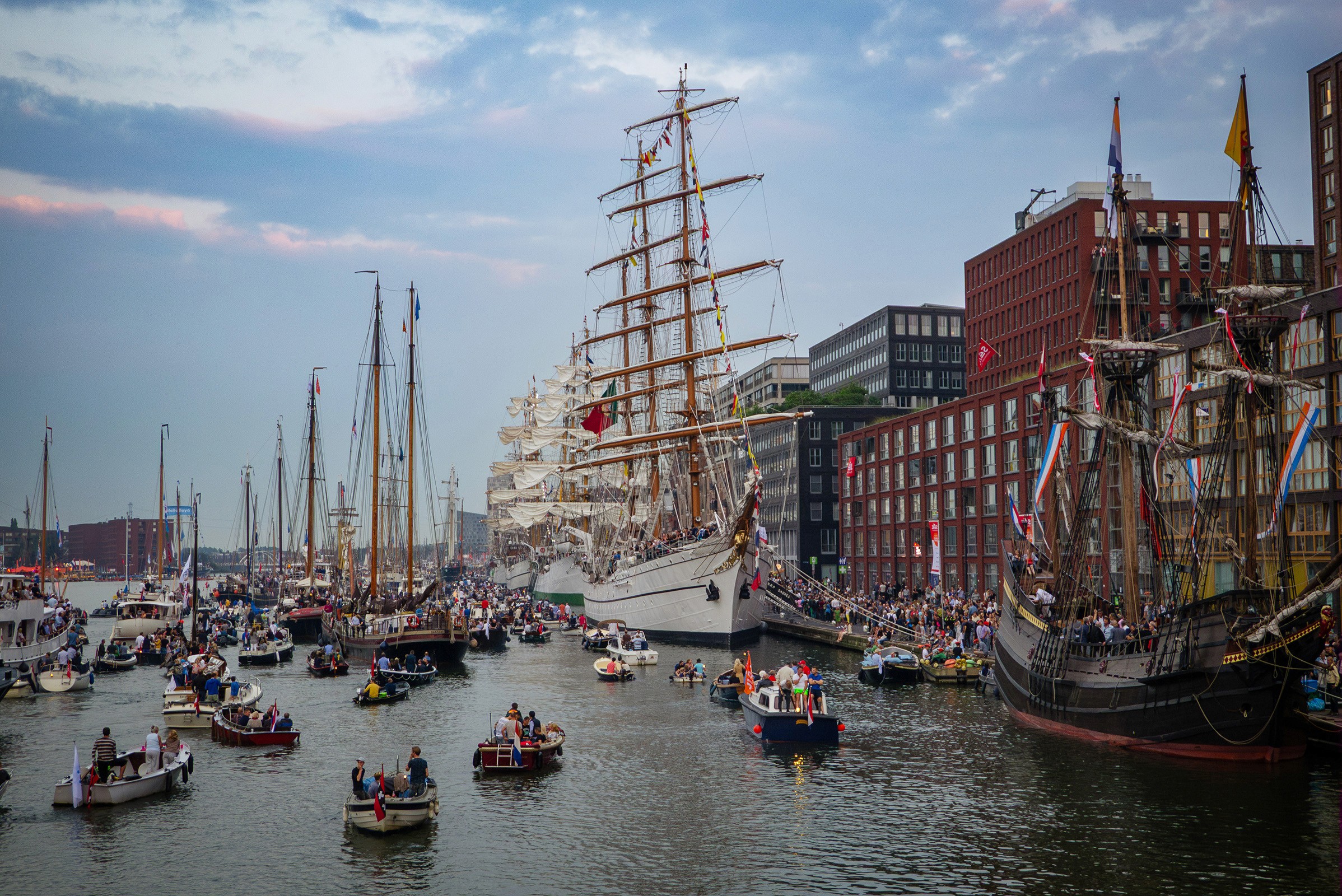
This piece covers SAIL Amsterdam 2025, a major maritime festival that returned in August after ten years. It describes both the historical side (tall ships, Dutch seafaring heritage) and the modern side (sustainability innovations in shipping). It also weaves in reflection, showing how the event connects past and future.
Invisible Invaders
The Rising Threat of Microplastics in the Bay Area
Charting the Future of Our Seas: The 2025 UN Ocean Conference
In mid-June, the coastal city of Nice, France became the center of global ocean diplomacy. From June 9–13, 2025, more than 12,000 delegates — heads of state, scientists, activists, and industry leaders — convened for the third United Nations Ocean Conference (UNOC3)
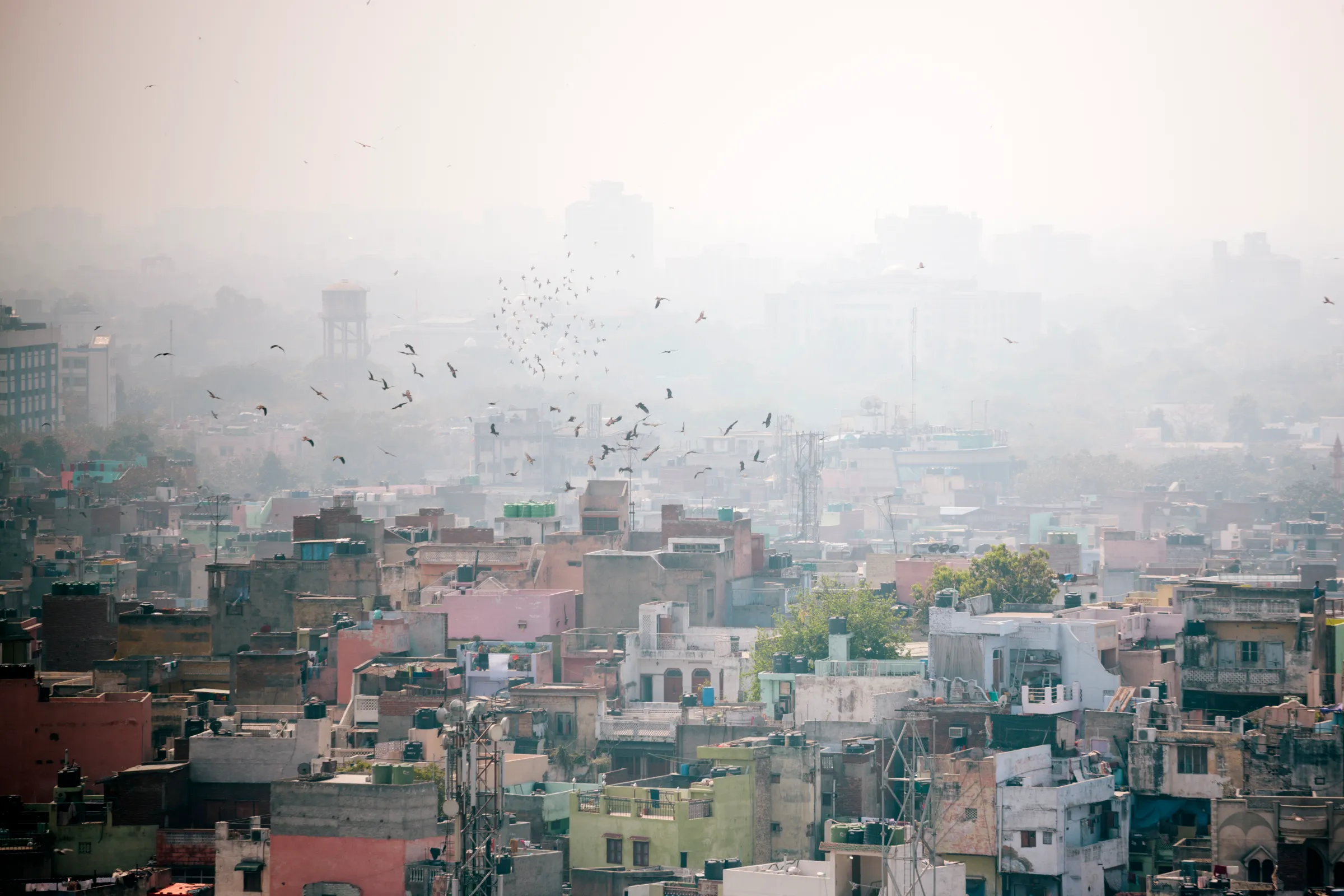
Breathing Heat: What May 2025 Tells Us About Our Changing Climate
May 2025 was the second-warmest May ever recorded, with global temperatures averaging 1.10 °C above the 20th-century norm. It feels like every month a new record is broken for how severe our climate change is getting.

Flying Through Solar Storms: Planes, Radiation & Our Environment
When you board a high-altitude flight, your mind might wander to legroom, turbulence, or the view — but rarely to cosmic rays.
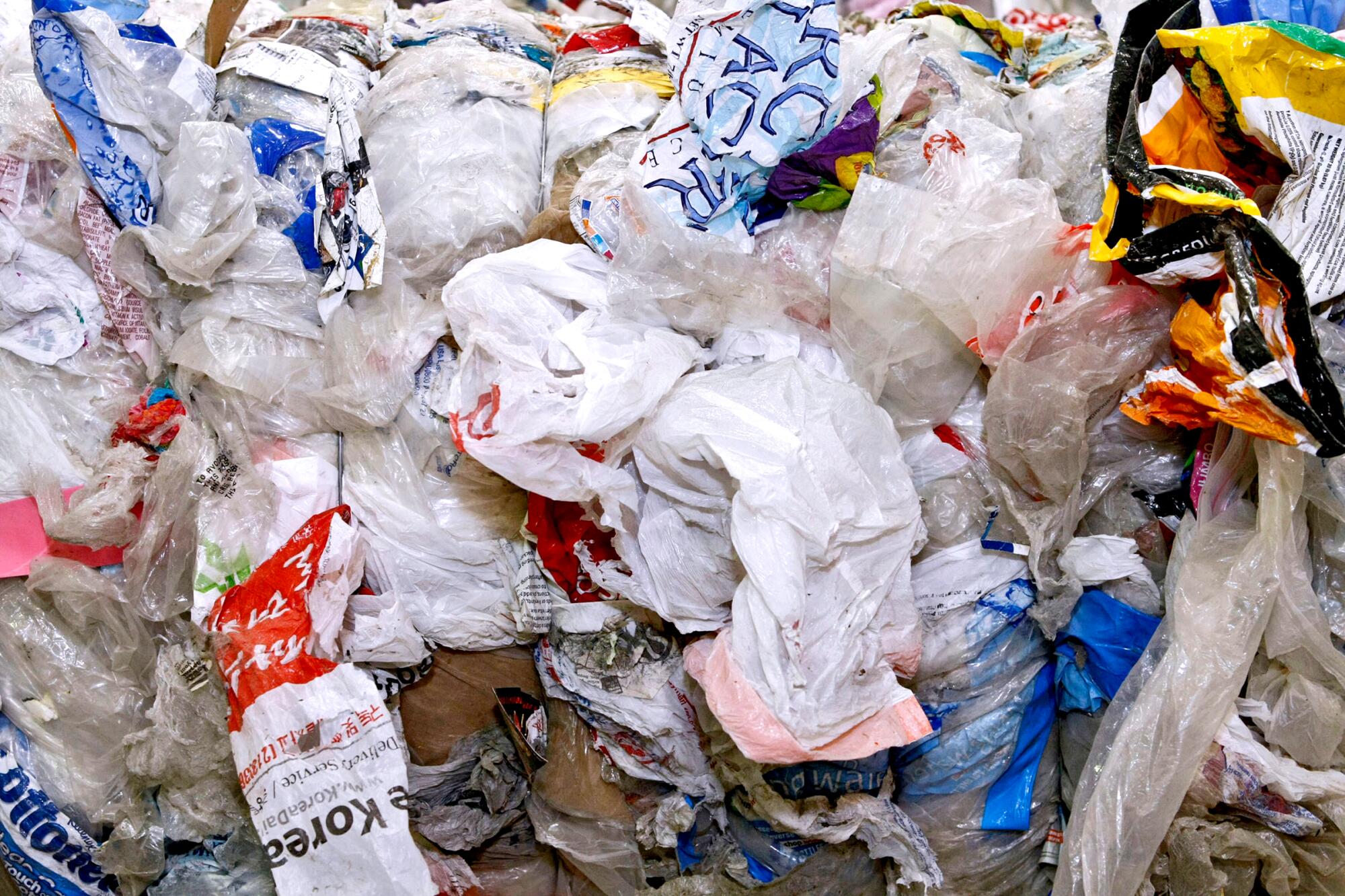
The Myth of Recycling
Toss the bottle in the blue bin, pat yourself on the back, and boom—you’re saving the planet... right?
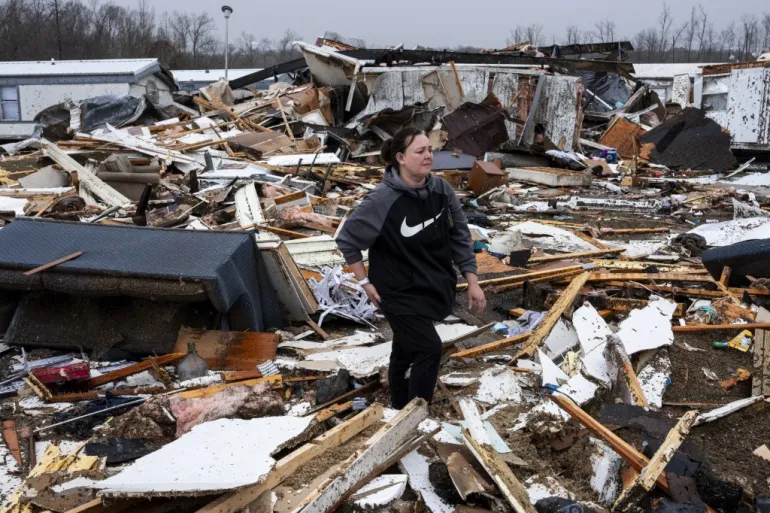
The Storm That Shook America: The March 13-16, 2025 Tornado Outbreak
Between March 13 and March 16, 2025, a historic tornado outbreak swept across large parts of the United States — especially the Midwest and the South.

The Shift Ahead
How Manual Transmissions Work—And What They Mean for the Future of Driving
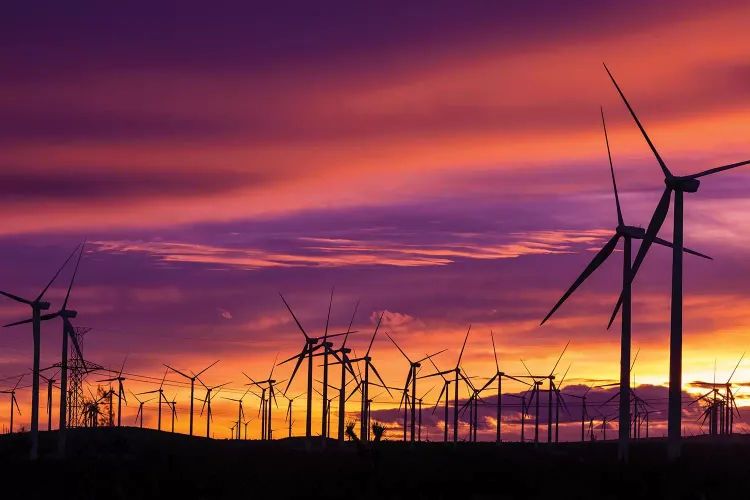
The Winds of Change
Are Windmills as Clean as They Seem?
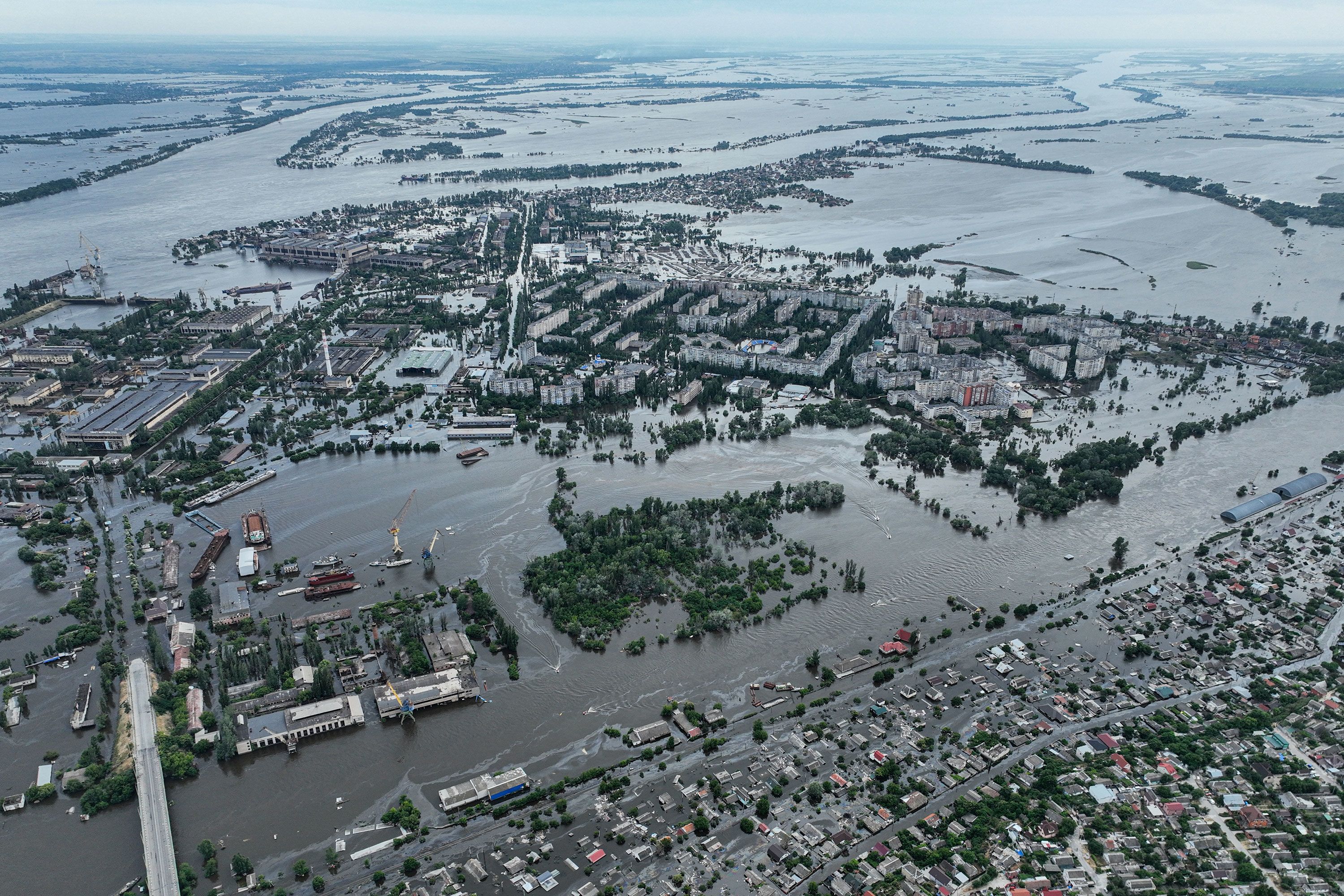
Engineering, Neglect & Consequences: Donora 1948 Meets Kakhovka 2023
The same moral failure: when we treat the environment as expendable collateral, it always collects the debt—with interest.
What The Hell Is Punt??
For starters, it has nothing to do with football
Picking Up Neighborhood Trash
PUNT

Black-Zach
Simulating Chance and Choice: What started as a simple coding challenge became a project about risk, math, and the illusion of control.